
Spring 2026 Undergraduate Courses

Introduction to Modern European History
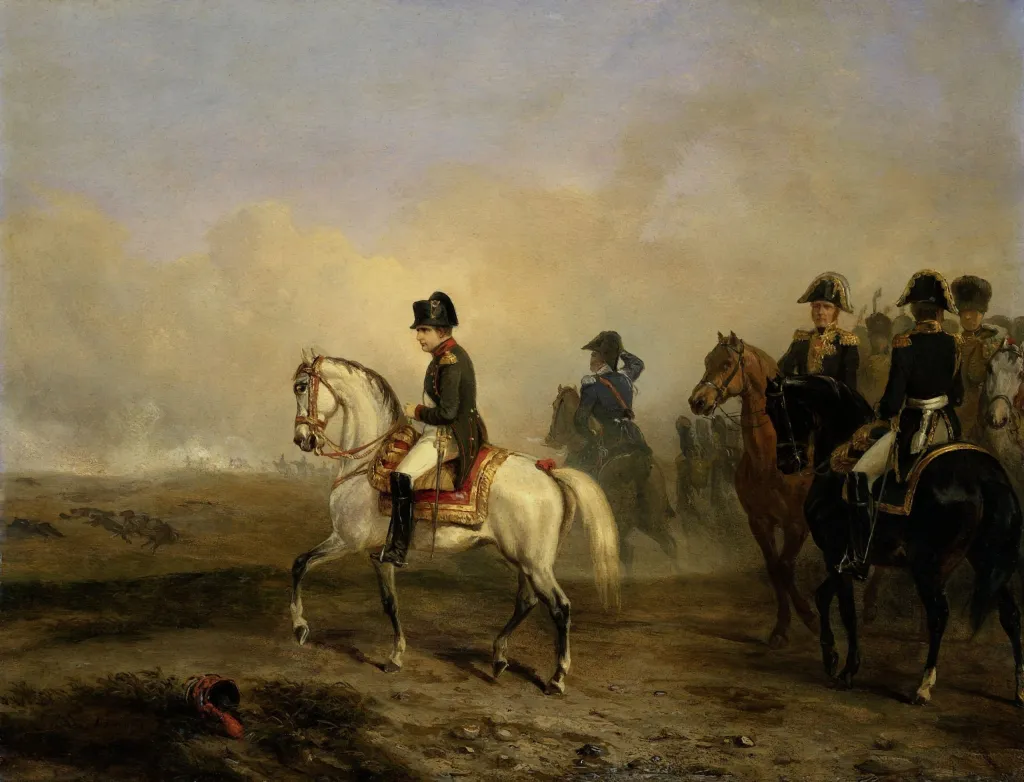
Introduction to Modern European History
The history of Europe since 1500 is a remarkable array of contradictions: freedom and fascism; democracy and imperialism; industrialization and Romanticism; international capitalism and fervent nationalism; social change and scientific racism. What produced these developments in European social, economic, and political spheres and how did these different currents diverge and converge? How did European developments affect global actors and vice versa? What are the consequences for our own time of these contradictory aspects of Europe's modernization? Class assignments include textbook and primary source reading (c. 75 pages/week), discussion participation, 2 short analytical papers, 3 in-class exams, and a final cumulative take-home essay. This course satisfies the Introductory Survey requirement for the history major and minor.
HISTORY 1020
Lecture: Mon/Wed | 9:00 AM - 9:50 AM
Discussions Available For:
Fri | 9:00 AM - 9:50 AM
Fri | 10:00 AM - 10:50 AM
Instructor: Justin Meyers

Topics in Latin American History
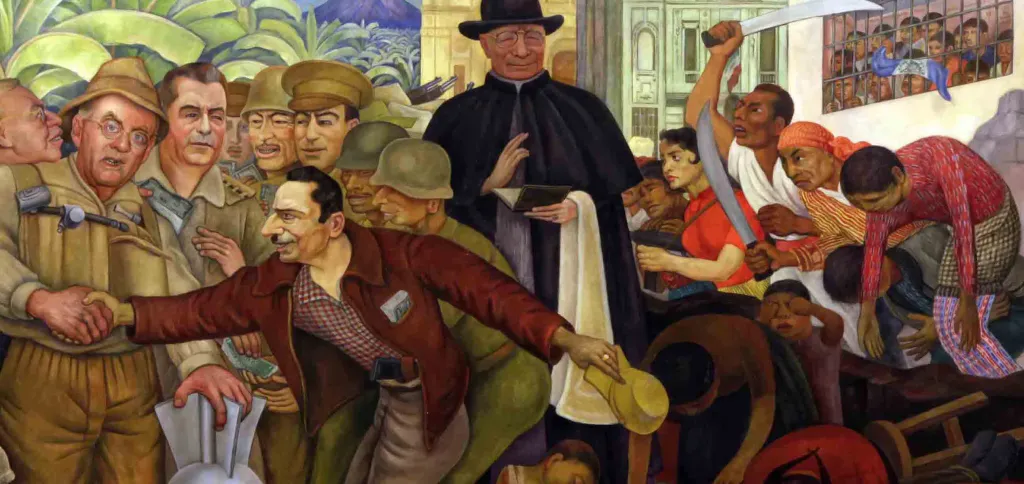
Topics in Latin American History
The Politics of Memory: Violence and Monuments in Latin American History
This course dives deep into the powerful interplay of violence, memory, and monuments that have shaped Latin American history. We will examine the fascinating and complex narratives surrounding memory and memorialization that have emerged from pivotal moments of conflict, from the wars of independence to the haunting echoes of the dirty wars, and contemporary urgent issues like feminicide and narcotrafficking. Together, we will investigate how these dialogues have transformed over time, reflecting how the past is institutionalized, influenced by social movements, appropriated by both elites and marginalized communities, woven into nationalist mythologies, and characterized by new practices of remembrance, dynamic museum spaces, and the commercialization of nostalgia.
HISTORY 1210
Mon/Wed | 3:00 PM - 4:20 PM
Instructor: Diana Montano

History of U.S. Foreign Relations
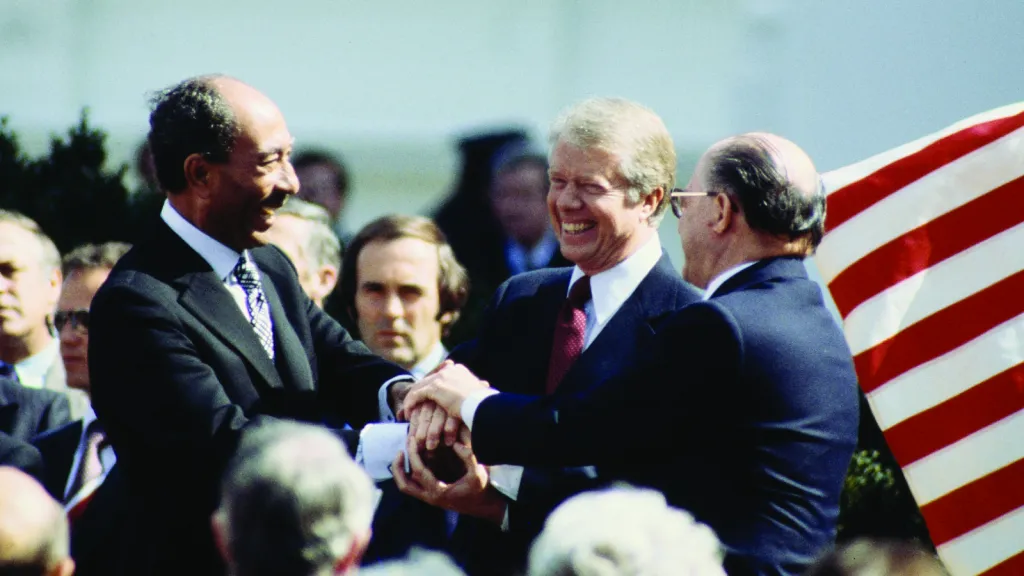
History of U.S. Foreign Relations
More details to come.
HISTORY 1119
Tue/Thu | 8:30 AM - 9:50 AM
Instructor: Krister Knapp

Health and Disease in World History
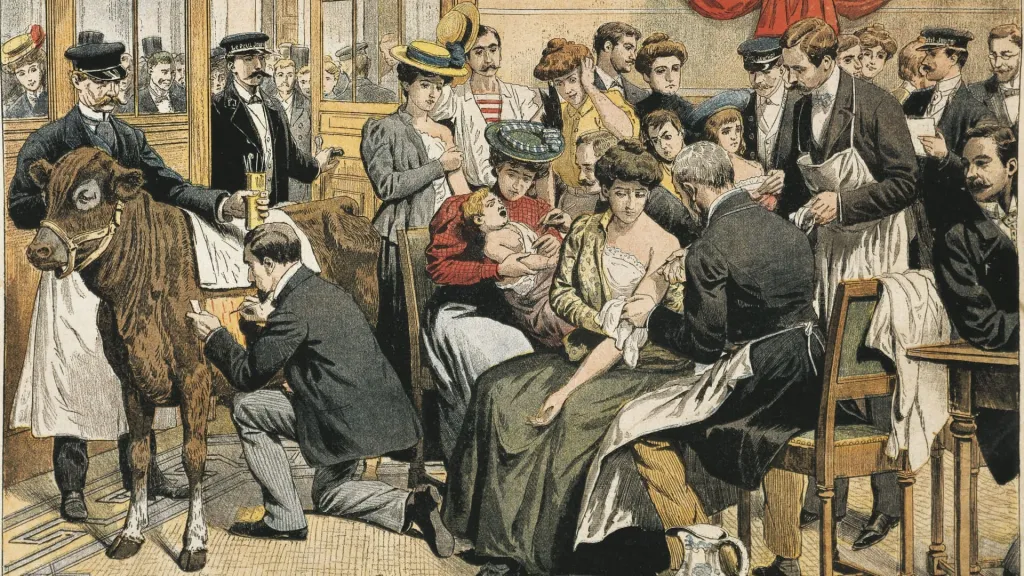
Health and Disease in World History
Health and disease are universal human experiences, yet vary profoundly across time and place. Extending from ancient times to the present, this course surveys that variety from a global perspective. We will explore medical traditions from around the world, then examine how these responded to major epidemic diseases such as the Black Death. We will study the globalization of disease and the emergence of scientific medicine after 1450, then turn to the interrelated histories of health and disease in the modern era. Throughout, we will attend carefully to how the biological aspects of health and disease have shaped world history, while at the same time exploring the powerful mediating role of social, cultural, economic, and political factors--from religious beliefs and dietary practices to inequality, poverty, empire, and war--in determining the myriad ways in which health and disease have been experienced and understood. Introductory course to the major and minor.
HISTORY 1151
Lecture: Mon/Wed | 11:00 AM - 11:50 AM
Discussions Available For:
Fri | 9:00 AM - 9:50 AM Fri | 11:00 AM - 11:50 AM
Instructor: Christina Ramos

Historical Fiction & Fictional Histories
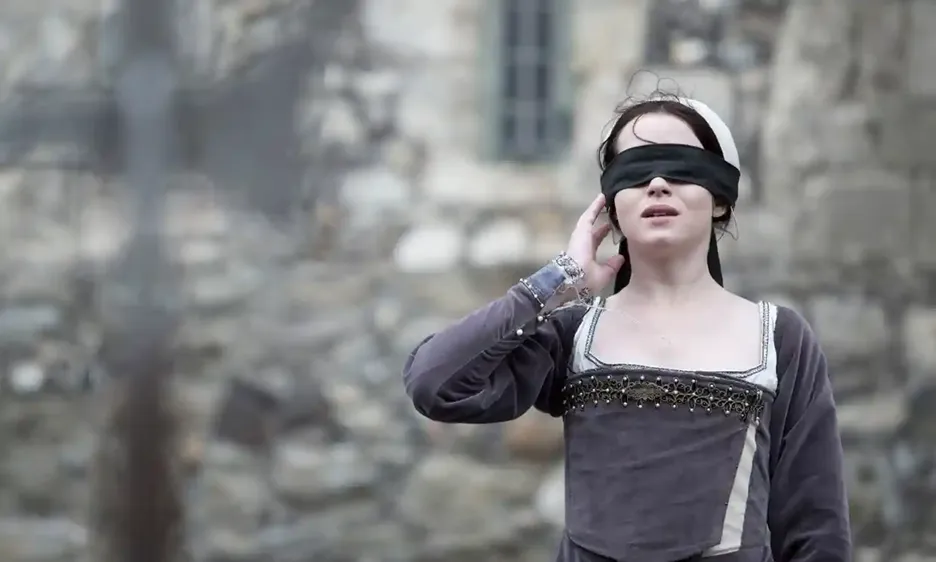
Historical Fiction & Fictional Histories
The relationship between history and fiction has always been contentious and sometimes turbulent, not least because the two genres have traditionally been seen as mutually exclusive. However, new hybrid forms of writing-from historical fiction, to docudramas, to fictionalized biographies-have led to the blurring of the boundary and encouraged the claim that history itself is just another form of fiction. At the same time, historical novelists have placed increasing emphasis on the authenticity, sometimes even the accuracy, of their narratives and characterizations. And further still, contemporary writers are challenging dominant historical narratives by creating plausible fictions from the perspectives of the subordinated, the marginalized and the disenfranchised: plebeians, women, and indigenous, enslaved, and diasporic peoples. As historical novels become ever more popular, the distinction between history and fiction appears to be collapsing before our eyes. Through reading and discussing some outstanding examples of the genre of historical fiction published between the early nineteenth and the early twenty-first century (from Walter Scott to Charles Dickens, from Toni Morrison to Amitav Ghosh, from Graham Swift to Hilary Mantel), this course will investigate whether history is 'factual' or just another form of fiction; whether the appeal of historical fiction should lie in its authenticity; whether the recent success of historical novels should be viewed as a new development, or rather, as a revival of an older literary tradition; and whether novelists and dramatists are more adept than historians at interrogating issues of memory, identity, and change.
HISTORY 2053
Tue/Thu | 4:00 PM - 5:20 PM
Instructor: Steve Hindle

The Global War on Terrorism
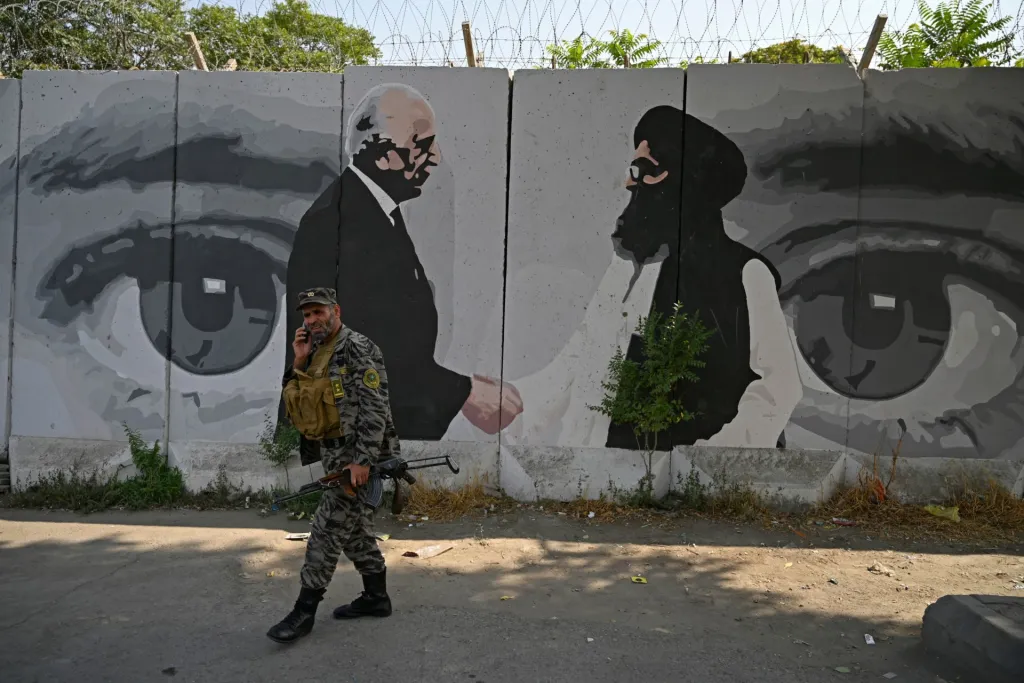
The Global War on Terrorism
This course presents an historical assessment of the GWOT from the perspective of its major participants: militant, Salafi Islamists, especially al-Qaeda and its affiliates and offshoots including ISIS, and the nation states that oppose them, namely, the United States and its allies. It seeks to answer such questions as what is militant Islamism and how has it interpreted jihad to justify committing terrorist acts in the name of restoring the caliphate? What is the nature of the GWOT and how has it become the new rubric of war in the 21st century? We cover the rise of militant, Sunni Islamism in Egypt during the 1960s and ‘70s, Islamic jihad in Afghanistan during the 1980s, the origins of “al-Qaeda” in 1988, jihad in Bosnia, Chechnya, Algeria, and Sudan during the 1990s, al-Qaeda terrorist attacks against the U.S. during the 1990s, 9/11 and the Bush Doctrine, the war against the Taliban and the hunt for Osama bin Laden in Afghanistan in 2001-02, and the subsequent spread of Islamic jihad in South and Southeast Asia, the Middle East, North and East Africa, Western Europe, and the United States, and the respective nation states’ responses. The course concludes with an analysis of the current state and likely future of the GWOT. Just how long will this conflict last, and in what ways, how and why is it likely to end?
HISTORY 3030
Section 1: Tue/Thu | 1:00 PM - 2:20 PM
Section 2: Tue/Thu | 2:30 PM - 3:50 PM
Instructor: Krister Knapp
History Course Tags: Modern, Transregional
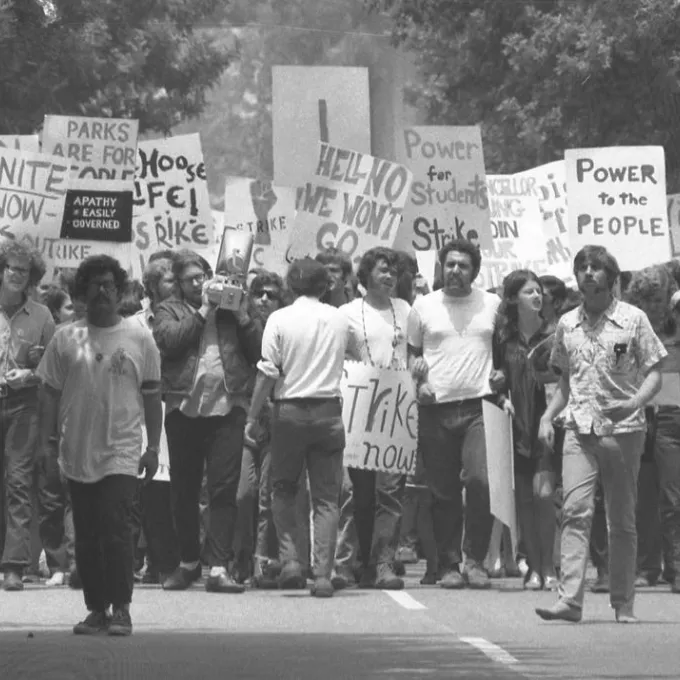
“There's Something Happening Here”: Power, Politics, and Protests in the Long 1960s
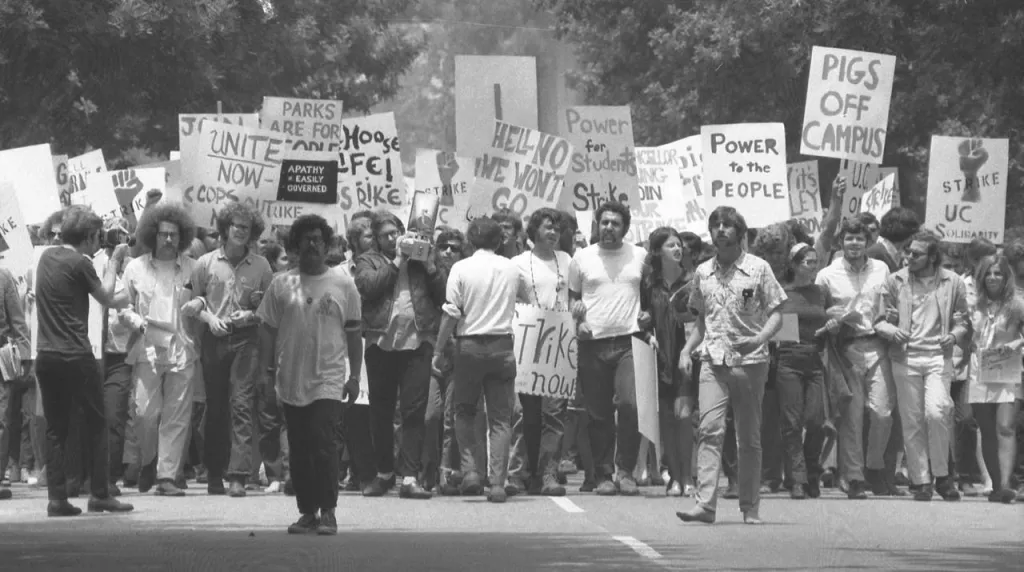
“There's Something Happening Here”: Power, Politics, and Protests in the Long 1960s
"There's something happening here. But what it is ain't exactly clear…” begins the 1966 song entitled “For What It’s Worth” by Buffalo Springfield. The song, like many of the artists who made up Buffalo Springfield, were central to the tumultuous cultural changes of the 1960s in the United States. The long 1960s have been the inspiration for innumerous pieces of art, music, literature and scholarship across the globe. Representations of 1960s in mass media and popular culture have often simplified the period into a story of charismatic leaders and villains with less attention given to the diverse set of actors, politics, and responses. Certainly, the history of the 1960s includes both charismatic leaders and villainous actors but they also spurred the creation of new cultural forms and new politics which shattered a shaky American consensus. This course examines the history of the long 1960s through an exploration of the politics, counter-politics, cultural productions, and everyday life which captured a pivotal period of American history. Central to the story of the 1960s is the emergence of a large constituency which had been largely sidelined in political and social action in the previous generation—the youth. Universities, colleges, bookshops, bars, and music venues all became gathering places for more than just recreation or learning but for politics and pleasure which would help shape the second half of the 20th century. In this class we will explore those spaces, places, and peoples who shaped the long 1960s and continue to impact the ways in which political change happens and where we imagine power can come from.
HISTORY 3031
Tue/Thu | 10:00 AM - 11:20 AM
Instructor: Dalen Wakeley-Smith
History Course Tags: Modern, United States

Chinese Diasporas
Chinese Diasporas
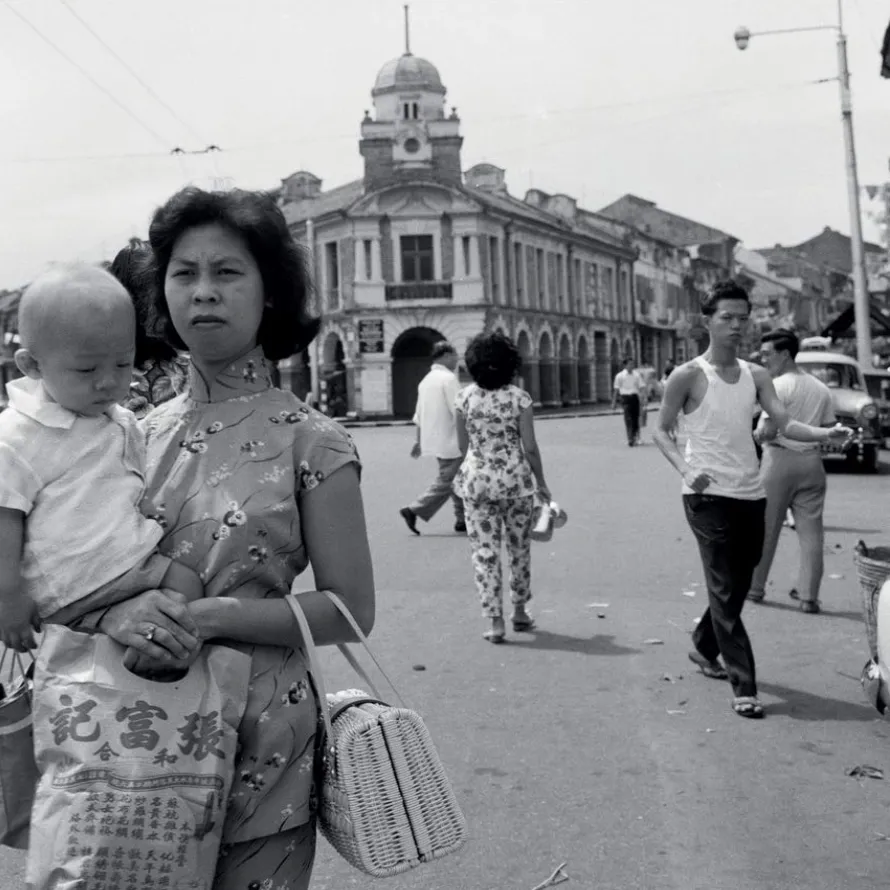
Five hundred years ago, the Chinese population was concentrated in core areas of China proper. Beginning in the 16th century, significant numbers of Chinese people moved to the frontiers of an expanding China and across its borders: to Japan and Southeast Asia, to the Americas and Australia, and to Africa and Europe. Although Chinese migration certainly existed beforehand, the period from the 16th century to the present day is marked by the emergence of sustained movement of non-state actors and the development of institutions -- ranging from native-place associations to tourist agents' websites -- that supported this vast circulation of people. Likewise, in many emigrant communities and host societies, Chinese diasporic families adapted to migration as a way of life. This course traces this worldwide circulation of Chinese people over these five centuries.
HISTORY 3049
Mon/Wed | 10:00 AM - 11:20 AM
Instructor: Steven Miles
History Course Tags: Modern, Transregional

Superhuman Stories: Living, Working, and Dying with Animals
Superhuman Stories: Living, Working, and Dying with Animals
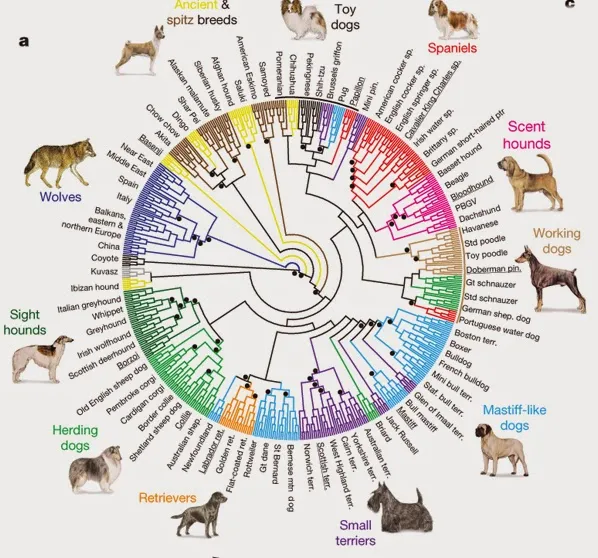
History is often understood as the story of the human past – but “we” have never been alone. How have animals and humans acted together to transform environments, define social hierarchies, or reconfigure relations of power? Conversely, how have animal bodies and animal lives been fashioned, refashioned, rescued, and extinguished through the collective actions of human (and nonhuman) beings? This course explores the current “animal turn” in History. We will discuss animal breeding, race, and pedigree; livestock and empire; workhorses and war elephants; animal welfare and extinction. Our focus will be thematic and largely modern; there will be no geographical focus (readings may treat north America, Europe, Latin America, South Asia, Africa, East Asia, or the Middle East, among other possibilities). Students will have opportunities for research.
HISTORY 3054
Tue/Thu | 2:30 PM - 3:50 PM
Instructor: Cassie Adcock
History Course Tags: Modern, Transregional
History of the Jews in Islamic Lands
History of the Jews in Islamic Lands
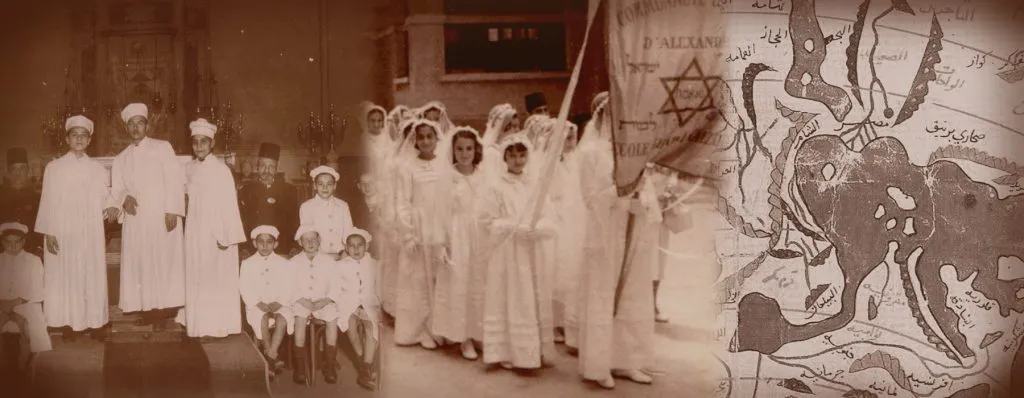
This course is a survey of selected Jewish communities in Muslim-ruled societies, and their social, cultural, and intellectual history from the rise of Islam (seventh century CE) to the height of European imperialism (nineteenth century). It contextualizes these communities within Islamicate history, and explores the shared culture of Muslims and Jews, and what divided them.
Topics include the Prophet Muḥammad and the Jews of Arabia; the legal status of Jews under Islam; the spread of rabbinic Judaism under the Abbasid caliphs of Baghdad; long-distance trade and Jewish scholarship in medieval Egypt; the flourishing of Hebrew poetry in Muslim Spain (al-Andalus); Jewish migration from Christian Spain to the Ottoman Empire; and the rise of Western imperialism and its impact on the Jewish communities of North Africa and the Middle East.
Over the semester, we will look closely at some of the major philosophical and poetical works written by Jews in Muslim-dominated societies. Another important source will be letters and documents from medieval Cairo (Cairo Geniza) that shed light on the history of women, Jewish slave ownership, and the life of the poor.
HISTORY 3094
Tue/Thu | 11:30 AM - 12:50 PM
Instructor: Martin Jacobs
History Course Tags: Modern, Transregional
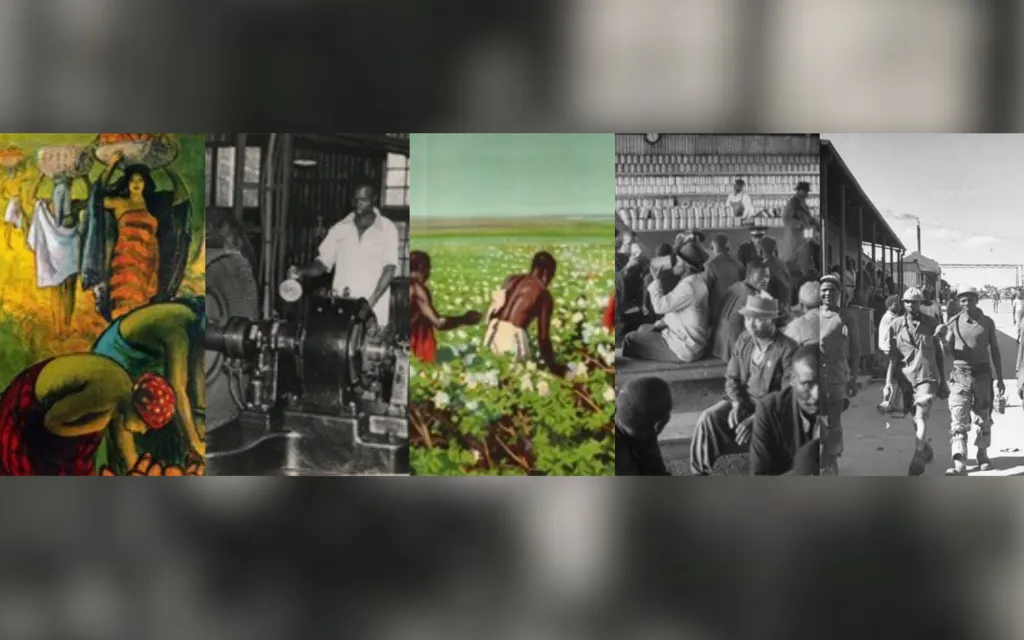
Capitalism, Socialism and Labor: The Political Economy of 20th Century Africa
Capitalism, Socialism and Labor: The Political Economy of 20th Century Africa
This course surveys the integration of African individuals and communities into the global economy. We will, however, pay equal attention to their efforts to resist integration, or at least have a greater say in how it would take place. This social history of the political economy of sub-Saharan Africa in the long 20th century critiques theories of imperialism, capitalism, socialism, development and under-development from the perspective of ordinary people. The essay-based course work is focused on making original arguments using primary historical sources as evidence.
HISTORY 3117
Mon/Wed | 2:30 PM - 3:50 PM
Instructor: Timothy Parsons
History Course Tags: Modern, Africa
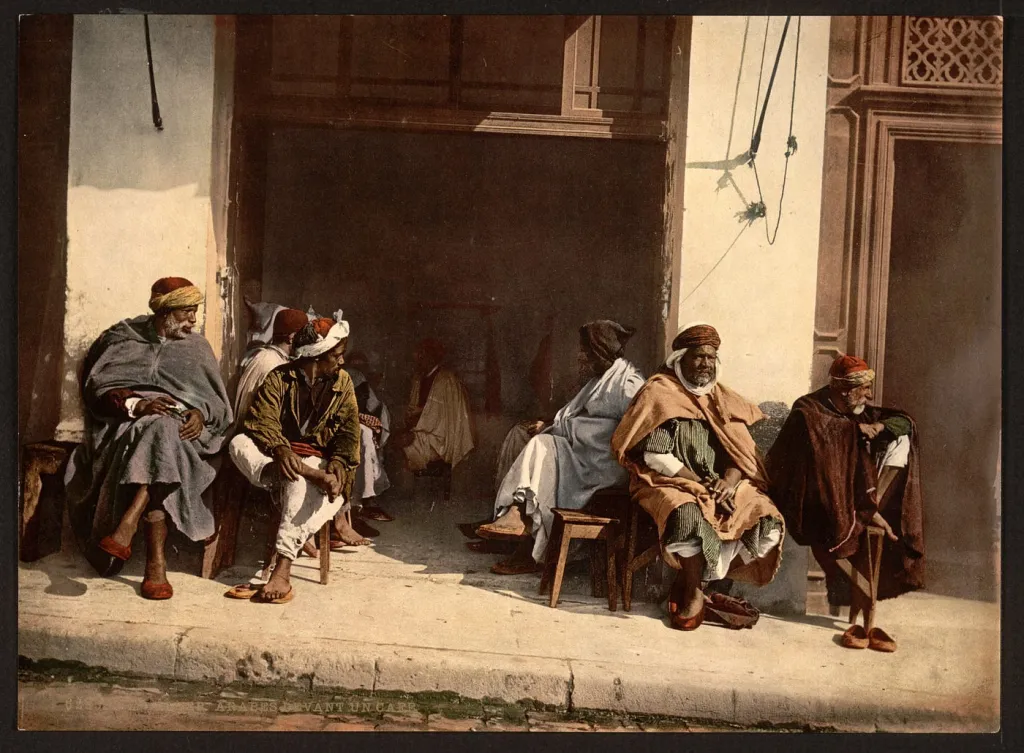
The Middle East in the 20th Century
The Middle East in the 20th Century
This course surveys the history of the Middle East since World War I. Major analytical themes include: colonialism; Orientalism; the formation of the regional nation-state system; the formation and political mobilization of new social classes; changing gender relations; the development of new forms of appropriation of economic surplus (oil, urban industry) in the new global economy; the role of religion; the Middle East as an arena of the Cold War; conflict in Israel/Palestine; and new conceptions of identity associated with these developments (Arabism, local patriotism, Islamism).
HISTORY 3150
Tue/Thu | 2:30 PM - 3:50 PM
Instructor: Nancy Reynolds
History Course Tags: Modern, Middle East

The Birth Crisis of Democracy: The New United States of America, 1776-1850

The Birth Crisis of Democracy: The New United States of America, 1776-1850
Go get yourself some democracy! Americans have so often preached to other nations, but just how did Americans themselves go about creating the world's largest and most successful democratic republic? How democratic was this violent new nation that reeled from one crisis to another and ultimately to the brink of collapse in its first 75 years? This survey of American history from the creation of the Republic to the eve of the Civil War explores the Revolution and its ambiguous legacies, the starkly paradoxical marriage of slavery and freedom, and the creation of much of the America that we know: mass political parties; a powerful presidency; sustained capitalist growth; vigorous individualistic creeds; formalized and folkloric racism; expansionism, expulsionism, and nativism; heteronormative patriarchal family life; technological innovation; literary experimentation; distinctively American legal, scientific and religious cultures; and the modern movements of labor, feminist, and civil rights empowerment.
HISTORY 3158
Tue/Thu | 10:00 AM - 11:20 AM
Instructor: Iver Bernstein
History Course Tags: Premodern, United States

The High Middle Ages: 1000-1500
The High Middle Ages: 1000-1500
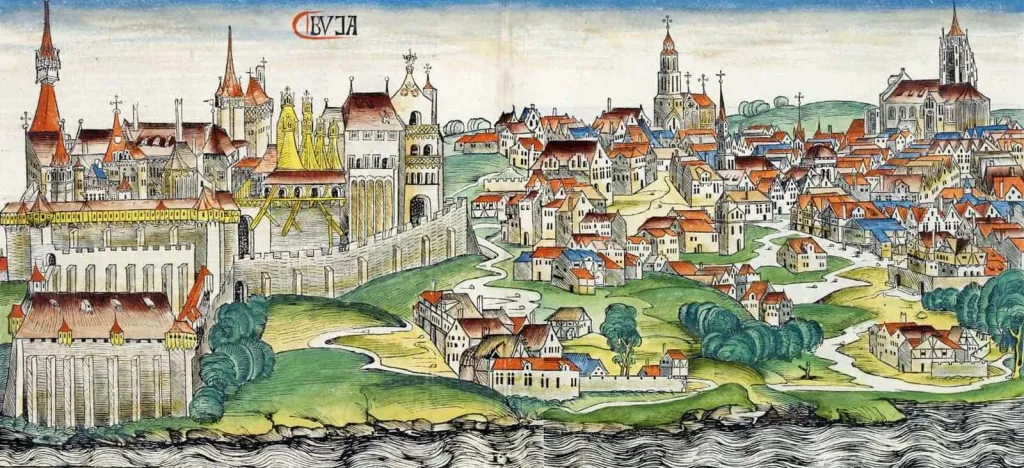
This course begins with Latin Christendom in the first millennium and ends with the arrival of Europeans in the Americas. We will study, amongst other topics, the relationship of popes to kings, cities to villages, Jews to Christians, vernacular literature to Latin, knights to peasants, the sacred to the profane, as well as different forms of religious life, farming, heresy, the shift from a penitential culture to a confessional one, the crusades and Islam, troubadour poetry, love, universities, leprosy, the inquisition, Gothic art, the devil, chivalry, manuscript illumination, the Mongol Empire, shoes, definitions of feudalism, environment, trade, scholastic philosophy, female spirituality, witchcraft, sex, the Black Death, food, the Hundred Years War, the formation of Europe, the renaissance in Italy, enslaved Africans in the Iberian peninsula, and the conquest of the Mexica.
HISTORY 3274
Tue/Thu | 2:30 PM - 3:50 PM
Instructor: Mark Pegg
History Course Tags: Premodern, Europe

A History of Modern China
A History of Modern China
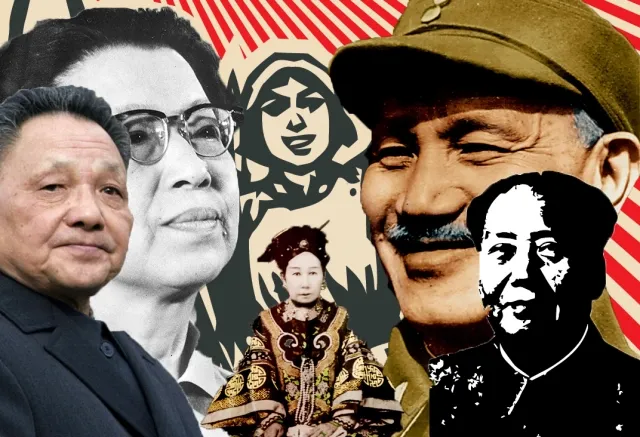
This course explores the 19th- and 20th-century history of China. Its purpose is to provide students with a historical foundation to understand the momentous changes the country underwent during its traumatic transition from an empire to a nation-state. We start the course at the height of the empire's power in the late 18th century, when the Qing dynasty (1637-1912) conquered vast swathes of lands and people in Inner Asia. We then move on to the Qing's troubled relationship with Western capitalism and imperialism in the 19th century, which challenged the economic, social, and ideological structures of the imperial regime, culminating in the emergence of China as a nation-state. By situating China's national history within a global context, the course outlines in detail the transformations that took place in the 20th century, from the rise of communism and fascism to the Second World War to Maoism and cultural revolution. We end the semester with yet another major change that took place in the 1980s, when a revolutionary Maoist ideology was replaced with a technocratic regime, the legacies of which are still with us today.
HISTORY 3287
Mon/Wed | 10:00 AM - 11:20 AM
Instructor: Ulug Kuzuoglu
History Course Tags: Modern, East Asia
Environment and Empire
Environment and Empire
In this course we study British imperialism from the ground up. At bottom, the British empire was about extracting the wealth contained in the labour and the natural resources of the colonized. How did imperial efforts to maximize productivity and profits impact the ecological balance of forests, pastures, and farm lands, rivers and rainfall, animals and humans? We'll ask, with environmental historians of the U.S., how colonialism marked a watershed of radical ecological change. The course will cover examples from Asia to Africa, with a focus on the jewel in the crown of the British empire: the Indian subcontinent. We'll learn how the colonized contributed to the science of environmentalism, and how they forged a distinctive politics of environmentalism built upon local resistance and global vision, inspired by religious traditions and formative thinkers, not least Mahatma Gandhi.
HISTORY 3296
Tue/Thu | 11:30 AM - 12:50 PM
Instructor: Cassie Adcock
History Course Tags: Modern, South Asia
Historical Methods-Transregional History
Historical Methods-Transregional History
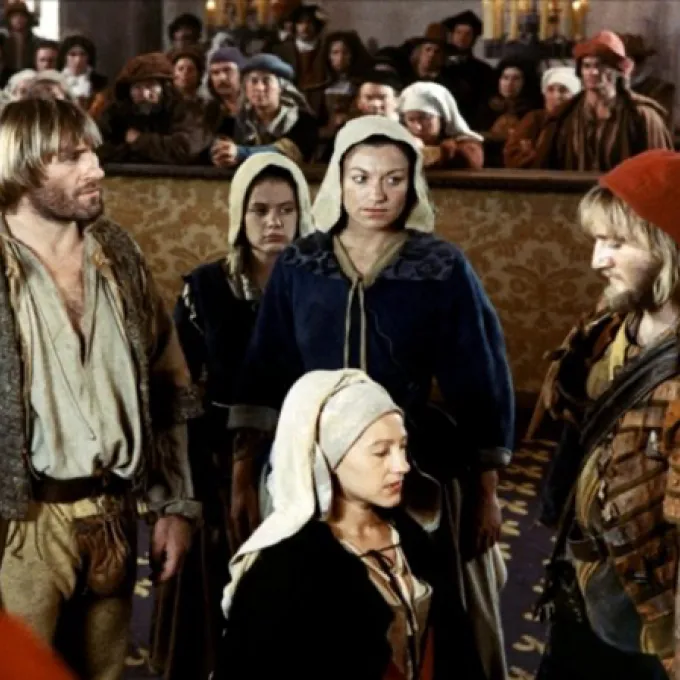
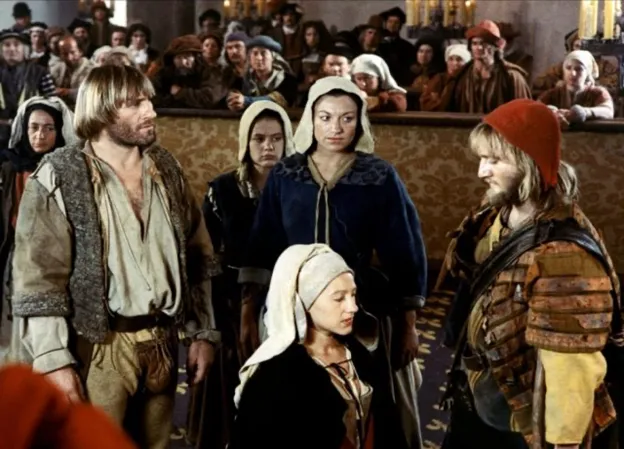
Microhistories: Scale and Narrative in Historical Writing
This is a small-group reading course in which students are introduced to the skills essential to the historian's craft. Emphasis will be on acquiring research skills, learning to read historical works critically, and learning to use primary and secondary sources to make a persuasive and original argument. See Course Listings for current topics. Required for history majors. Preference given to History majors; other interested students welcome.
How much can we learn about the past through the story of a single person, place, event, or object? Since the 1970s, historians have attempted to show that ‘microhistories’ can powerfully illuminate the grand sweep of history. By narrowing their focus to magnify the small, the particular, and the local, ‘microhistorians’ have argued that studies of apparently inconsequential subjects can have a significant impact on our understanding of the past. This course is based on the intensive reading and discussion of several outstanding examples of the 'microhistorical' study of individuals, families, communities, events, and social interactions. These will be primarily drawn from the literature on early modern Europe, which has a long and continuing tradition of work of this kind. Some, however, are taken from the historiography of Early America and recent approaches to ‘Global’ history. Particular attention will be paid to questions of evidence and of its potential in the hands of imaginative historians; and to the deployment of particular analytical and narrative techniques in the construction of history. We will often be less concerned with whether the historians we study are ‘right’ in their arguments than with how they develop and present them.
HISTORY 3315
Tue/Thu | 10:00 AM - 11:20 AM
Instructor: Steve Hindle
History Course Tags: Premodern, Modern
Historical Methods: United States History, American Masculinity
Historical Methods: United States History, American Masculinity
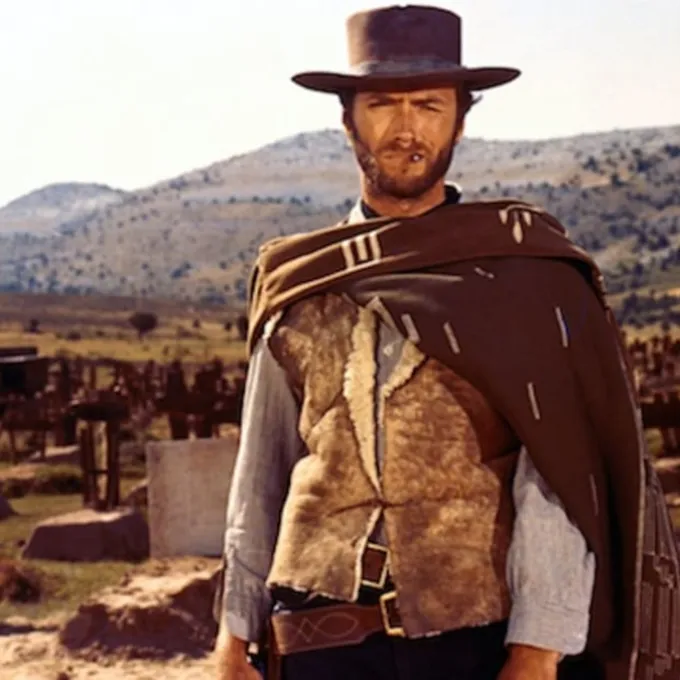
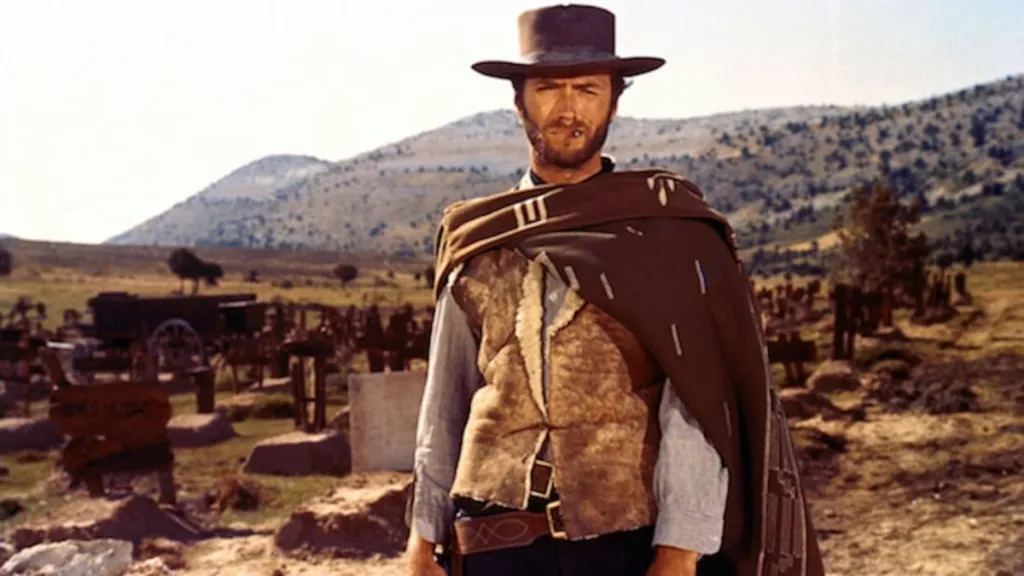
American Masculinity
This course will introduce the methods and tools of historical analysis. Students will learn
the basics of finding, utilizing, and evaluating historical sources, assessing historical work
through writing historiographical essays, and organizing and composing research papers. This
work will be done through an exploration of the topic of American masculinity. The class will
survey differing historical understandings of manhood across American history, and take a
comparative approach in examining cultural, geographic, and racial conceptions of masculinity.
We will pay particular attention to how varying perceptions of manliness have shaped American
popular culture, race relations, criminality, and the physical landscapes of public and private
space. Ultimately, we will use our study of the history of American manhood as context for
understanding topical issues of gender, race, class, and crime.
This is a small-group reading course in which students are introduced to the skills essential to the historian's craft. Emphasis will be on acquiring research skills, learning to read historical works critically, and learning to use primary and secondary sources to make a persuasive and original argument. Required for history majors. Preference given to History majors; other interested students welcome.
HISTORY 3319
Tue/Thu | 2:30 PM - 3:50 PM
Instructor: Douglas Flowe
History Course Tags: United States

Japan Since 1868

Japan Since 1868

Historical Methods: History, Memory, and the Archive
Historical Methods: History, Memory, and the Archive
The future depends on memory of the past. This course taps into that evolving need by offering an alternative hands-on methods class to encourage undergraduate student engagement with history and archives. In this particular class, students will be nurtured to more deeply interact with the historical past of memory particularly through three central questions explored throughout the course: What icons/iconic moments have had the longest place in public memory? What and how is the past taught with expansive view to the full past while also tracing the trends of silencing the past therefore leading the query, How do we best uncover sometimes fatal moments of the local/national past? Moreover, how do we access history through earlier technology - meaning outside of modern technology i.e. Google, chat GPT, YouTube, etc - what were the earlier archives centuries before and how do they inform our learning of the local past and national evolution? Knowing the vital need for archives as well as library sciences now more than ever, students will have choice and opportunity for local immersion according to their intellectual needs in effort to access and understand the methods of historic/herstoric preservation, public archival engagement, and getting research opportunities to upgrade your scholarly learning on the local and national past as it relates to Missouri. Students will deeply consider the future of archives and the critical need for memory of the past as well as preservation of one and many groups' histories made over multiple centuries in mind. This course goes from slavery at sea through to more contemporary conversations in relation to local archives and archival holdings that are and could be of relevance to gaining new skillsets including death of everyday Americans by alcohol, disease, bar fights, cheating partners and abusive spouses, and or unexpected tragedies that inform multiple archives - social, legal, medical, and most of all herstorically/historically about the present and the local past in relation to the American public. Moreover students will gain deeper insights on the makings of a historian, the tools of the craft, and even more crucial to the course will be choosing a topic to explore and put pieces together from within the landscape of local archives as well as national repositories and reflecting on what some may call a new trending future of archives. Overall the intent within this one of a kind course is to increase where and how students/the general public gain archival access and learn how to go even deeper in getting your hands on the past.
HISTORY 3335
Tue/Thu | 2:30 PM - 3:50 PM
Instructor: Sowande Mustakeem
History Course Tags: Modern, United States

Understanding Lincoln: Writing-Intensive Seminar

Understanding Lincoln: Writing-Intensive Seminar
This course explores the life, art (political and literary) and historical significance of Abraham Lincoln. It focuses first on how he understood himself and foregrounds his inspired conception of his own world-historical role in the Civil War. The course also traces how the larger world furnished the contexts of Lincoln's career, how his consciousness, speeches and writings, and presidential decisions can be understood against the backdrop of the revolutionary national democratic upheavals of the 19th century. Finally the course will investigate how the sixteenth president, so controversial in his day, has remained a site of cultural contestation, with historians, novelists, poets, cartoonists, filmmakers, advertisers, and politicians struggling over his memory and meaning, to the present.
HISTORY 3338
Tue/Thu | 4:00 PM - 5:20 PM
Instructor: Iver Bernstein
History Course Tags: Premodern, United States
Science and Society Since 1800
Science and Society Since 1800
This course surveys selected topics and themes in the history of modern science from 1800 to the present. Modern science is a global phenomenon deeply embedded in the social, political, economic, and cultural contexts in which it is produced, mobilized, and used. Exploring the dynamic relationship between science and society in South Asia’s modern history, this course takes a global approach to understand scientific practices not as the exclusive domain of the British colonial state, its European personnel, or even South Asian elite scientists, but exploring the production of scientific and medical knowledge among a range of actors in South Asian societies. We will pursue two questions throughout: How and where did South Asians learn, receive, interpret, practice, and produce scientific knowledge? How did they mobilize this knowledge in their own political and social agendas?
HISTORY 3608
Tue/Thu | 11:30 AM - 12:50 PM
Instructor: Marjan Wardaki
History Course Tags: Modern, Transregional

Artificial Intelligence: The Mind and the Machine

Artificial Intelligence: The Mind and the Machine
At once bewildered and terrified, here we enter the age of artificial intelligence (AI). Can this new technology be the solution to all problems plaguing our societies? Or will it be the Pandora's Box? As heated discussions around AI take place around the world, this course will examine the deeper history of mechanizing the human mind. Students will explore the first attempts to build calculating machines, the origins of the information age that started much earlier than the invention of computers, the cybernetic revolution that transformed the meaning of the human, and the politics that drove the desire to invent the first artificial intelligence. We will collectively ponder the past of AI to see what the future holds.
HISTORY 3614
Tue/Thu | 10:00 AM - 11:20 AM
Instructor: Ulug Kuzuoglu
History Course Tags: Modern, Transregional

The American South: Histories, Cultures, and Representatives Beyond a Region
The American South: Histories, Cultures, and Representatives Beyond a Region
In 1995 Atlanta based hip hop group Goodie Mob released their debut album entitled Soul Food. On the record is a song called Dirty South. The track talks about life in the South highlighting the war on drugs, racism, and stereotypes that people thought about Black southerners. That same year another Southern hip hop group, Outkast, won the best new hip hop award and brought widespread attention to the rap and hip-hop scene which had been dominated by East Coast and West Coast artists. A new generation of Southern music would quickly become the dominant form of hip hop we hear today. In the early albums you hear lines which ask what it means to be Southern, questions where the South is, and speaks of Southern culture. We will attempt to answer some of those questions that Goodie Mob, Outkast, and more recently Beyoncé posed through a historical exploration of a region steeped in mystery and mystique. The South has fascinated generations of Americans, often represented as a deeply divided and troubled area of backward peoples and histories which continue to shock the nation. At the same time, the South is home to more diverse peoples, businesses, foodstuffs, and geography than most of the United States. The South often defies expectations and surprises the most seasoned social scientist. This course will introduce students to the history of a place that is both familiar and strange while exploring difficult issues of race, ethnicity, and identity. Students will be exposed to a variety of sources including music, film, and art produced by and/or about Southerners. Students will walk away from this course with a deeper understanding of the diversity of cultures and histories of the South and question what makes the South exceptional.
HISTORY 3722
Tue/Thu | 4:00 PM - 5:20 PM
Instructor: Dalen Wakeley-Smith
History Course Tags: Modern, United States
Great Ideas That Changed the World: Humanism to Postmodernism
Great Ideas That Changed the World: Humanism to Postmodernism
With a focus on Western Europe, this course is designed to make you familiar with the major intellectual movements and thinkers in the modern period. We cover both the towering, canonical figures and those critical of the canon. We look at the main schools of thought, the major political doctrines, and key literary and artistic groups, including humanism, Protestantism, Enlightenment rationalism, Romanticism, realism, nationalism, liberalism, capitalism, socialism, racism, feminism, colonialism, impressionism to surrealism, fascism, existentialism, and postmodernism. We also discuss the most significant conceptual categories that have defined the modern European world, including the concepts of nature, human nature, God, truth, reason, freedom, justice, gender, and race. The course differs from other history courses in that its emphasis is on intellectual matters--ideas, discourses, thinkers, schools of thought--and differs from a philosophy, literature or social science course in its emphasis on how ideas both reflect and contest their historical contexts.
HISTORY 3746
Tue/Thu | 2:30 PM - 3:50 PM
Instructor: Jonathan Judaken
History Course Tags: Modern, Transregional
Advanced Seminar: Inventing India
Advanced Seminar: Inventing India
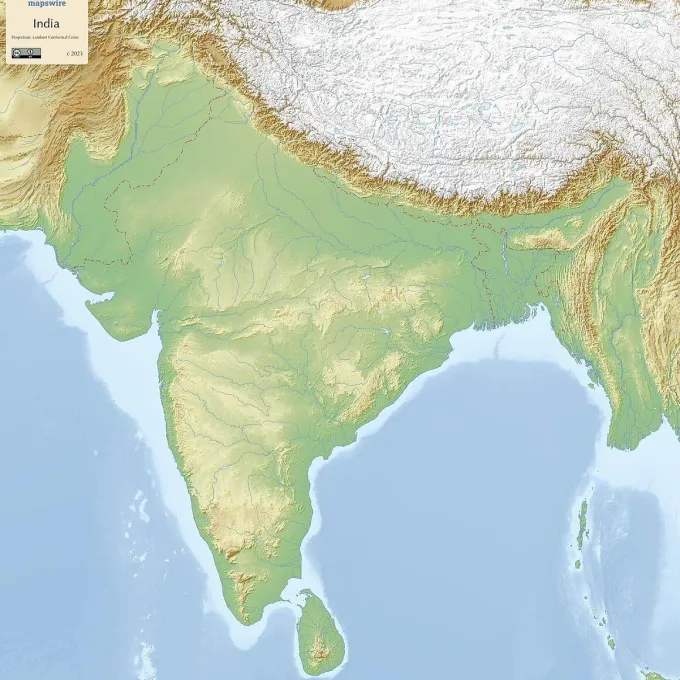
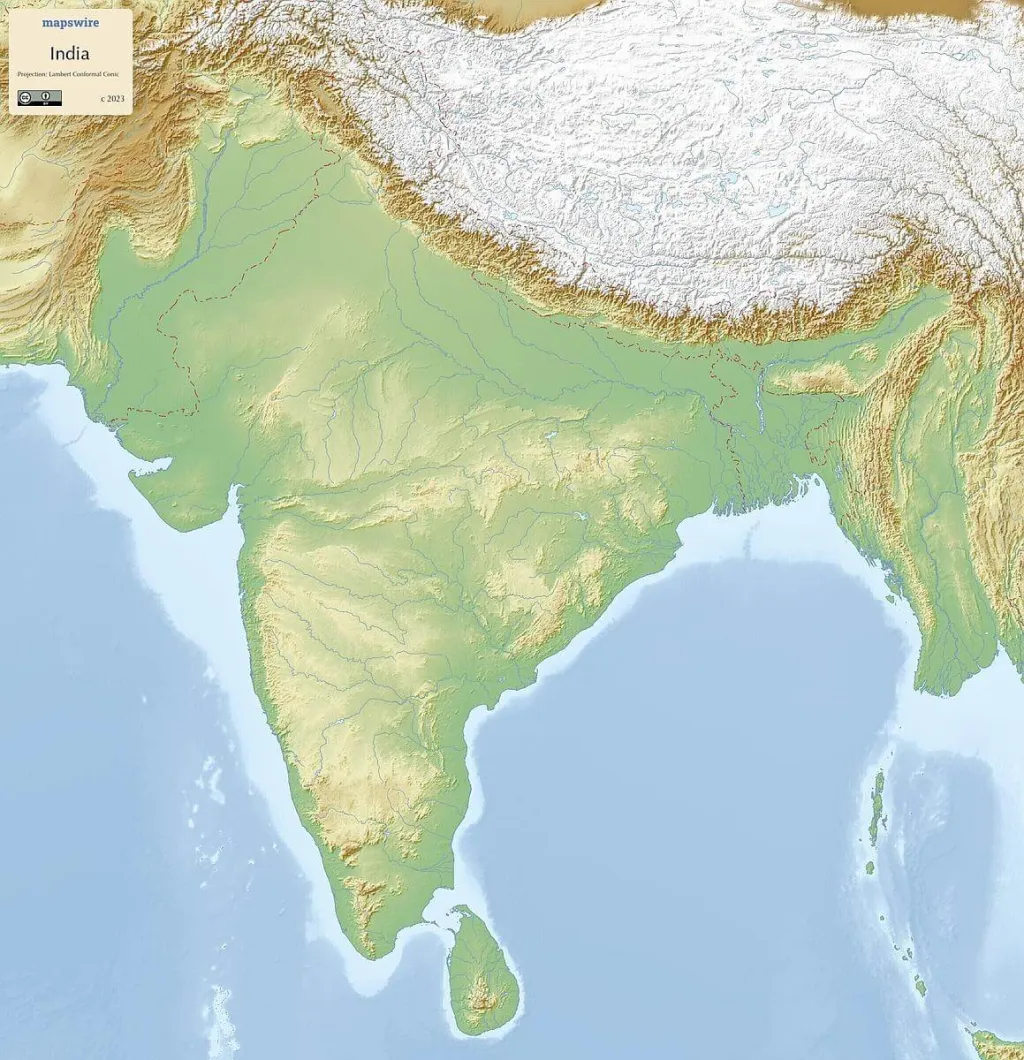
From Christopher Columbus’ misguided search for a mythical notion of India, to the "Incredible India!" branding campaign launched by the Indian State’s Department of Tourism, to the allure of yoga and arranged marriage, the word ‘India’ has its own history. In this Advanced Seminar we trace the invention of India — as a concept — over time. “India” is a product collectively manufactured, circulated, and consumed by a range of people, not necessarily Indian, around the world and through time. We’ll learn how the word has proceeded through the centuries, and how the many meanings of “India” coalesce, sometimes side-stepping popular or professional narratives of Indian history. Mobilizing an array of interdisciplinary tools, we will learn how “India” has itself become a flexible industry, how the process renders some social hierarchies as neutral and hegemonic while discarding others. Together we'll build an image gallery to show how cultural translation brings “India” into our own everyday lives and imaginaries. This course fulfills the History major capstone requirement as an Advanced Seminar.
HISTORY 4150
Wed | 3:00 PM - 5:50 PM
Instructor: Shefali Chandra
History Course Tags: Modern, South Asia
Advanced Seminar: Technology and Tool of Empire
Advanced Seminar: Technology and Tool of Empire
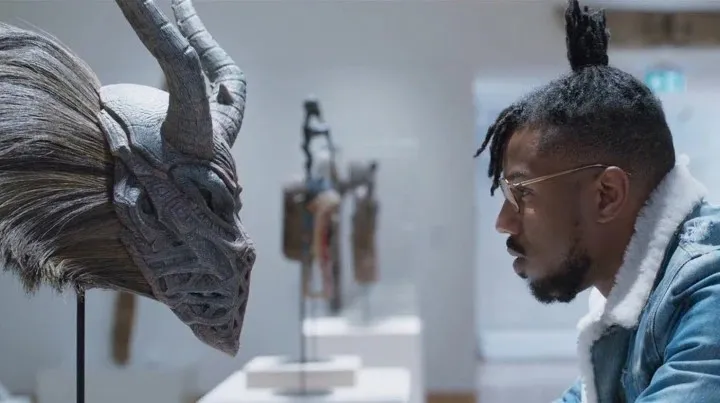
What do transatlantic cables, oranges, bush pumps, barbed wire, corrugated iron, uranium, the pill, kitchens, a breathing machine, and cheek swaps have in common? These are objects that shape human societies. Empire threads through these objects: in telegraph lines that bound colonies to metropoles, in laboratories that translated local knowledge into imperial science, in domestic machines that mirrored global hierarchies of labor and gender.
Technologies emerge here not as neutral artifacts but as sites where power, culture, and material practice meet. This course explores how technology and empire have shaped one another - especially the intrinsic relationship of technology and knowledge to empire - tracing their connected histories across continents, disciplines, and centuries. We will read about technological objects that travel, as well technologies that have been contested and reimagined imperial power. We begin by asking what counts as “technology” and how different cultures and political orders have defined and deployed it.
Moving through debates on determinism, innovation, and maintenance, we examine the ways technologies have served as instruments of domination and resistance — as tools of extraction, communication, and control, but also of survival, translation, and repair. From Cold War kitchens to African workshops and Indian planning offices, we will explore how people across the world have inhabited, subverted, and reshaped technological systems.
HISTORY 4351
Tue | 3:00 PM - 5:50 PM
Instructor: Marjan Wardaki
History Course Tags: Modern, South Asia

Senior Honors Thesis and Colloquium: Writing-Intensive Seminar
Senior Honors Thesis and Colloquium: Writing-Intensive Seminar
Learn more about the Senior Honors Thesis and Colloquium - https://history.wustl.edu/honors-program
HISTORY 3224
Thu | 4:00 PM - 6:50 PM
Instructor: Lori Watt
Advanced Seminar: Magic, Heresy and Witchcraft in the Medieval World, 200-1500
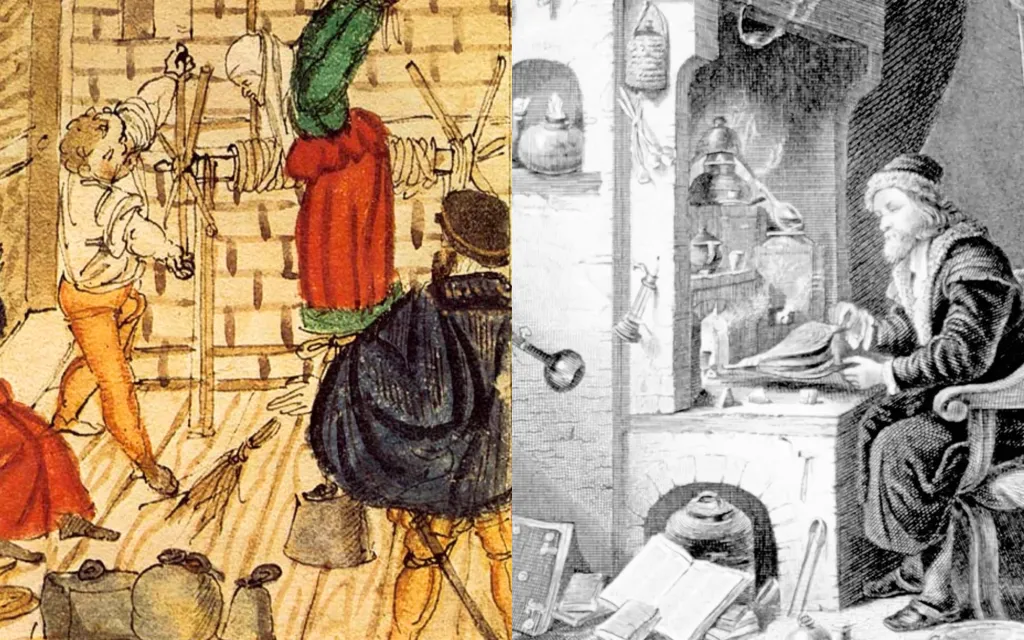
Advanced Seminar: Magic, Heresy and Witchcraft in the Medieval World, 200-1500
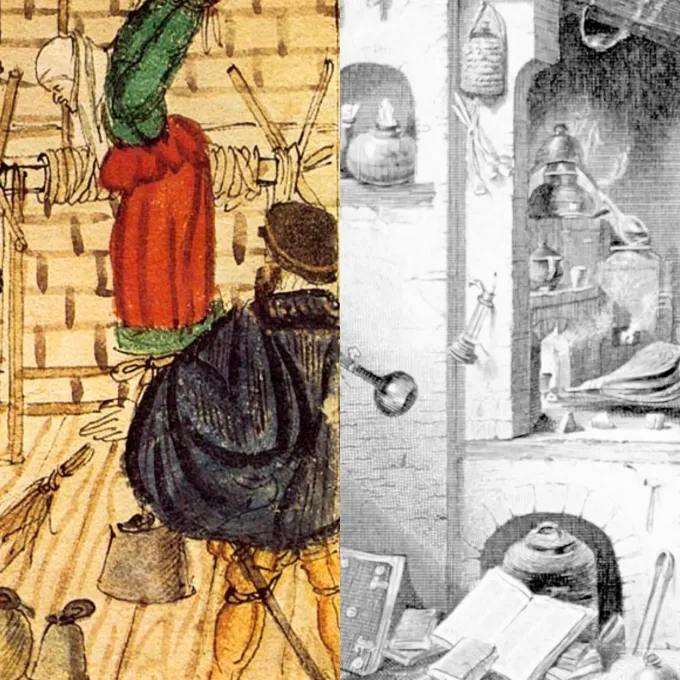
This seminar will study the history of magic, heresy, and witchcraft in the medieval world. It will begin in the fourth century after the conversion of Constantine the Great and end with the great witchcraft trials of the fifteenth and sixteenth centuries. The seminar will read magical treatises, ecclesiastical polemics against vulgar belief, inquisitorial trials, chronicles, and histories, in our attempt to define what was considered the ordinary and the extraordinary, the natural and the supernatural, good and evil, the boundaries of heaven and earth. How do modern historians use medieval documents to evoke the lives of men, women, and children who believed in magic or were accused of heresy? Can this only be done through a form of historical anthropology? What methods do historians use in trying to understand past ideas and practices? What is historical truth then? What is the relationship of supposedly heterodox belief and behavior with religious orthodoxy? How do we define religion? A theme throughout this seminar will be the definition of evil and the powers of the devil. Students will write a short historiographic essay and a long research essay.
HISTORY 4351
Tue | 4:00 PM - 6:50 PM
Instructor: Mark Pegg
History Course Tags: Premodern, Europe