
Fall 2026 Undergraduate Courses
Western Civilization

Western Civilization
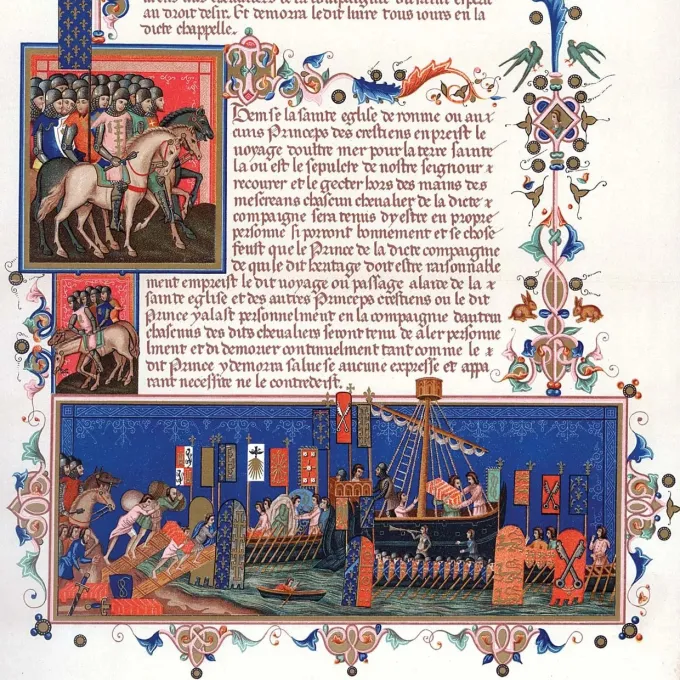
This course is a history of Western civilization from 3500 BC to AD 1600. Western civilization may be characterized as one long debate on the holy. In no other civilization did this debate about the limits of the sacred and the profane -- this constant effort at trying to grasp the divine through word and deed -- last continuously for more than 5000 years. To argue over the holy is to argue over the very nature of how to live a life, from the most mundane daily activity to the most sublime act of the imagination. It is to argue over how politics, economics, art, philosophy, literature, and religion are realized in a society. Apart from many types of polytheism, we study the three great world monotheistic religions: Judaism, Christianity, and Islam. We study the ancient cultures of northern Africa and the eastern Mediterranean, the empires of Alexander the Great and imperial Rome, the Christianization of the Roman Empire and the rise of Islam, the early medieval world in the North Sea and the Byzantine Empire in Constantinople, the formation of Latin Christendom and the papal monarchy, the Crusades and the reaction of the Islamic lands, concepts of individuality, the persecution of Jews and heretics, chivalry and peasant servitude, the Mongol Empire, the Black Death and the devastation of the 14th century, the Renaissance in Italy and the Protestant reformation, the hunt for witches and the scientific revolution, and the medieval origins of the African diaspora and the European conquest of the Americas. What defined being human -- and so a man, a woman, or a child -- over five millennia? Fundamental questions of this course include the following: What is Western civilization? When do the characteristics defined as Western come together as a coherent phenomenon? What, then, is historical truth? This course (through lectures, reading primary sources, discussion sections, and essay writing) gives the student a learned background in almost 5000 years of history.
HISTORY 1010
Lecture: Mon/Wed | 3:00 PM - 3:50 PM
Discussions Available For:
Fri | 12:00 PM - 12:50 PM
Fri | 1:00 PM - 1:50 PM
Instructor: Mark G. Pegg
History of U.S. Foreign Relations
History of U.S. Foreign Relations
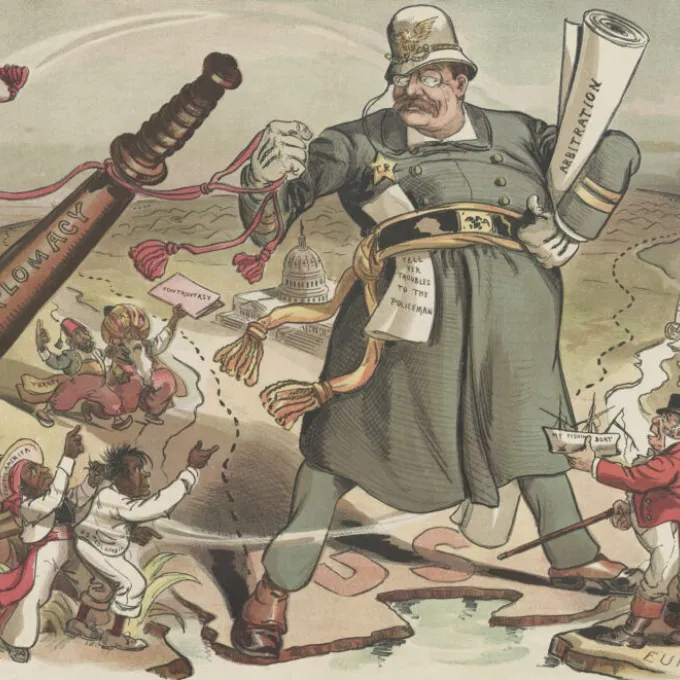
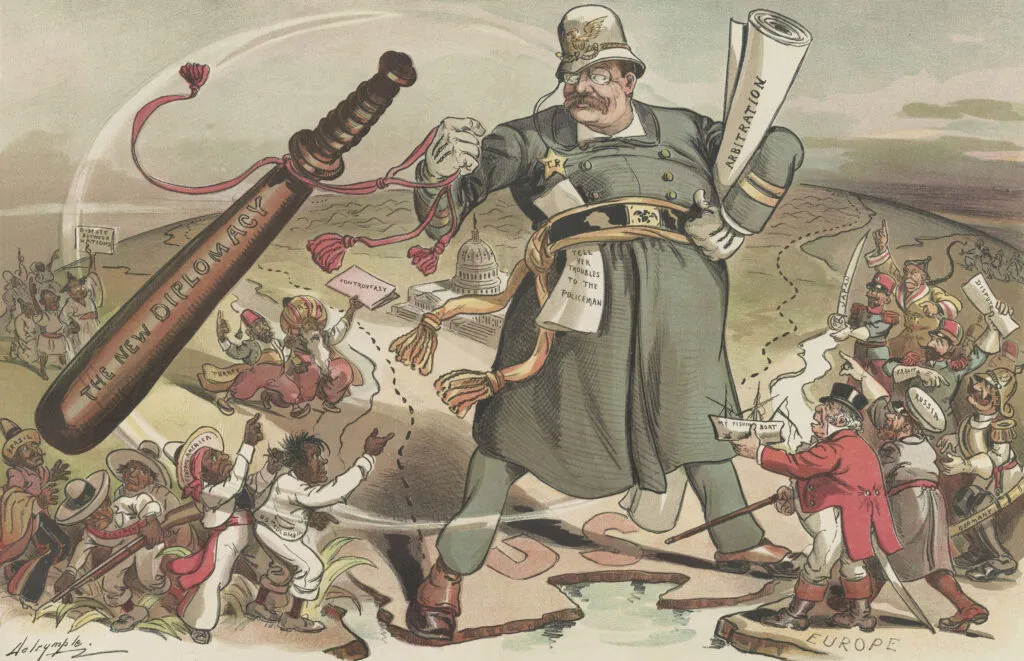
This course presents a historical assessment of U.S foreign relations from the founding of the country in 1776 through the War on Terror in the 21st century. Starting with the bold claim that foreign policy has played a central role in shaping American history, the course traces America’s evolution from a small colony to the world’s only hyperpower through sustained foreign policy to keep European powers at bay and then out of the Western Hemisphere, followed by continental expansion and outward expansion to reach the farthest corners of the globe. In particular, it surveys many government institutions, agencies, and departments, colorful (and dull) personalities, numerous policies, treaties and agreements, and a plethora of key events that have shaped US foreign relations over time. Primarily a course diplomatic history that examines American statecraft through government to government relations, the course reveals how political, economic and military events, especially wars, have influenced policy and determined outcomes. Along the way, we will also explore major themes such as republicanism, empire, liberty, and independence, as well as chestnuts of grand strategy such as isolationism vs. engagement, realism vs. liberalism, unilateral vs. multilateralism, soft vs. hard power, and idealism vs. pragmatism. The course, then, is at once both diplomatic history and an analysis of how diplomacy has shaped the American character and the wider world—for better or worse. The course concludes with an assessment of the contemporary state and likely future of U.S. foreign relations. This course is limited to first year students.
HISTORY 1119
Lecture: Tue/Thur | 10:00 AM - 11:20 AM
Instructor: Krister Knapp
Freedom, Citizenship and The Making of American Life
Freedom, Citizenship and The Making of American Life
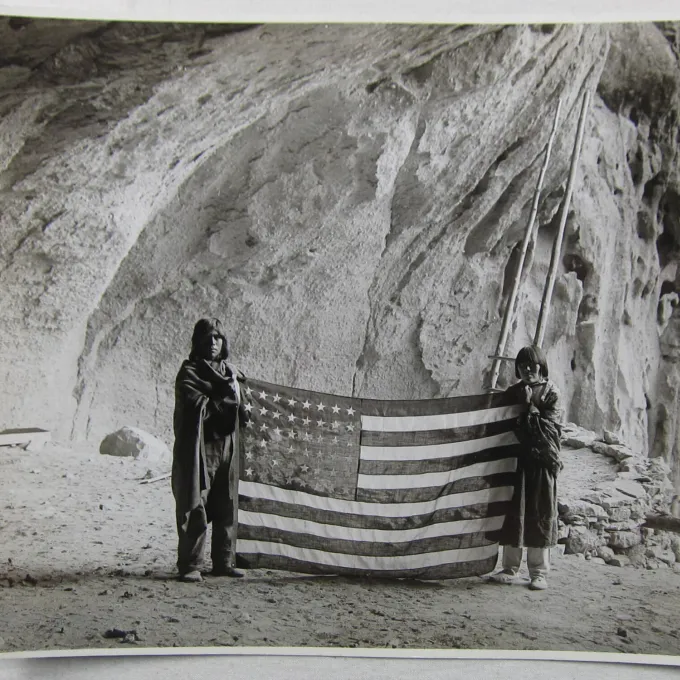
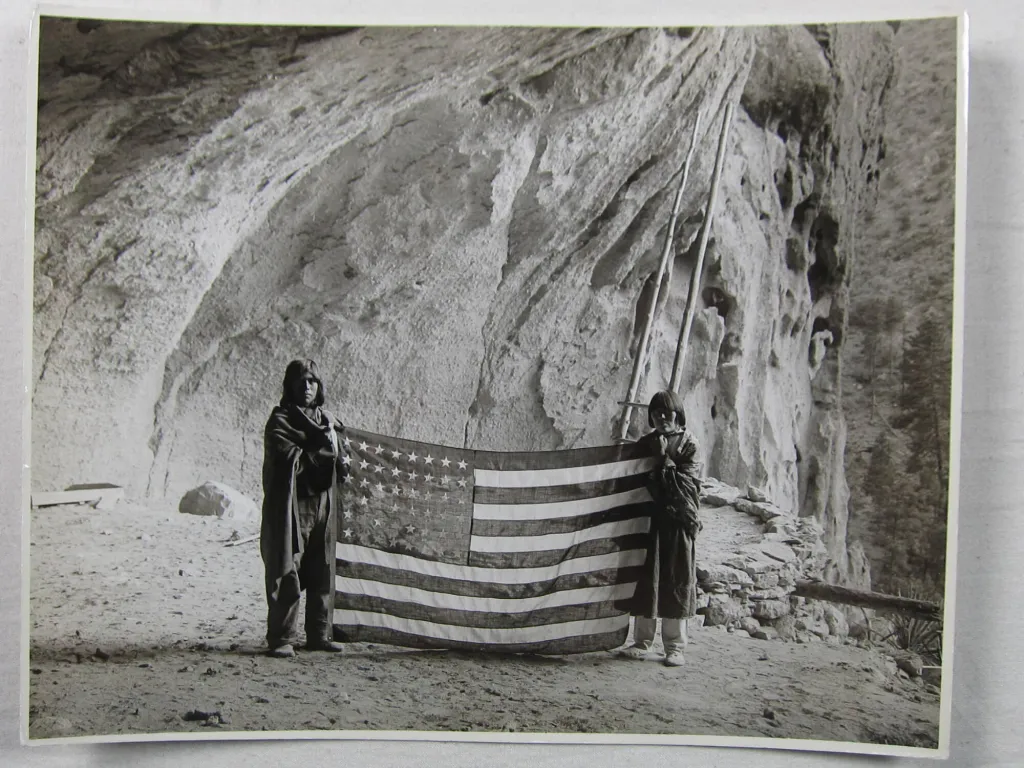
This course offers a broad survey of American history from the era before European settlement of North America to the late twentieth century. The course explores the emergence and geographic expansion of the United States and addresses changes in what it meant to be an American during the nation's history. Tracing major changes in the nation's economic structures, politics, social order and culture, the course chronicles, among other issues, changes in the meanings of freedom, citizenship, and American identity. Introductory course to the major and minor.
HISTORY 1145
Lecture: Mon/Wed | 12:00 PM - 12:50 PM
Discussions Available For:
Fri | 12:00 PM - 12:50 PM
Fri | 1:00 PM - 1:50 PM
Fri | 3:00 PM - 3:50 PM
Instructor: Dalen Wakeley-Smith

African Experiences in The Second World War

African Experiences in The Second World War
Most conventional histories of the Second World War pay scant attention to Africa, thereby creating the misconception that the war had little impact on the peoples of the African continent. This introductory seminar restores the experiences of ordinary African women and men to the larger historical narratives of both Africa and World War II. Combining personal memoirs with official primary sources reveals not only how the global conflict influenced African history but also how Africans helped shape the final outcome and consequences of the war. This course is for first-year, non-transfer students only.
HISTORY 1147
Lecture: Mon/Wed | 2:30 PM - 3:50 PM
Instructor: Timothy Parsons

Historical Fiction & Fictional Histories
Historical Fiction & Fictional Histories
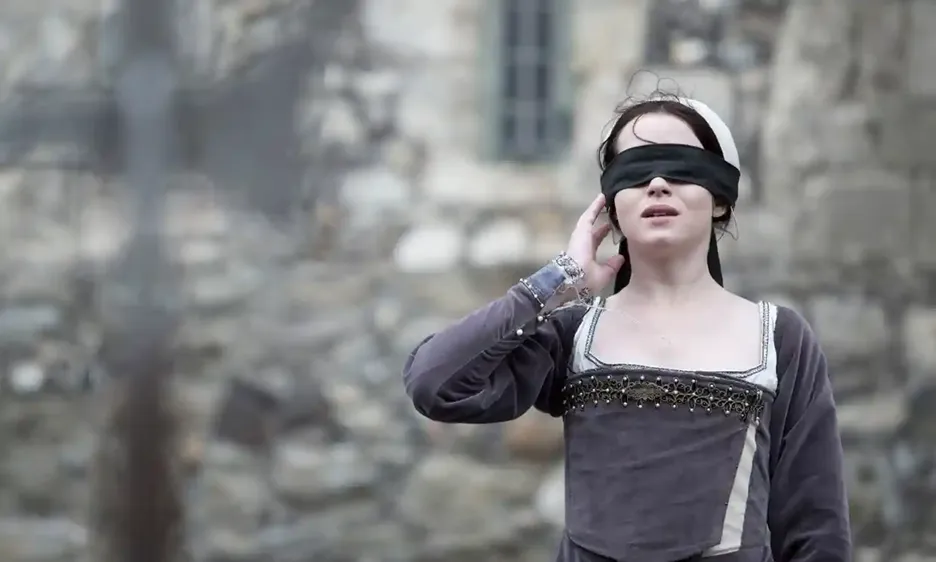
The relationship between history and fiction has always been contentious and sometimes turbulent, not least because the two genres have traditionally been seen as mutually exclusive. However, new hybrid forms of writing-from historical fiction, to docudramas, to fictionalized biographies-have led to the blurring of the boundary and encouraged the claim that history itself is just another form of fiction. At the same time, historical novelists have placed increasing emphasis on the authenticity, sometimes even the accuracy, of their narratives and characterizations. And further still, contemporary writers are challenging dominant historical narratives by creating plausible fictions from the perspectives of the subordinated, the marginalized and the disenfranchised: plebeians, women, and indigenous, enslaved, and diasporic peoples. As historical novels become ever more popular, the distinction between history and fiction appears to be collapsing before our eyes. Through reading and discussing some outstanding examples of the genre of historical fiction published between the early nineteenth and the early twenty-first century (from Walter Scott to Charles Dickens, from Toni Morrison to Amitav Ghosh, from Graham Swift to Hilary Mantel), this course will investigate whether history is 'factual' or just another form of fiction; whether the appeal of historical fiction should lie in its authenticity; whether the recent success of historical novels should be viewed as a new development, or rather, as a revival of an older literary tradition; and whether novelists and dramatists are more adept than historians at interrogating issues of memory, identity, and change.
HISTORY 2053
Lecture: Tue/Thur | 4:00 PM - 5:20 PM
Instructor: Steve Hindle

Topics in History: The Medieval City
Topics in History: The Medieval City
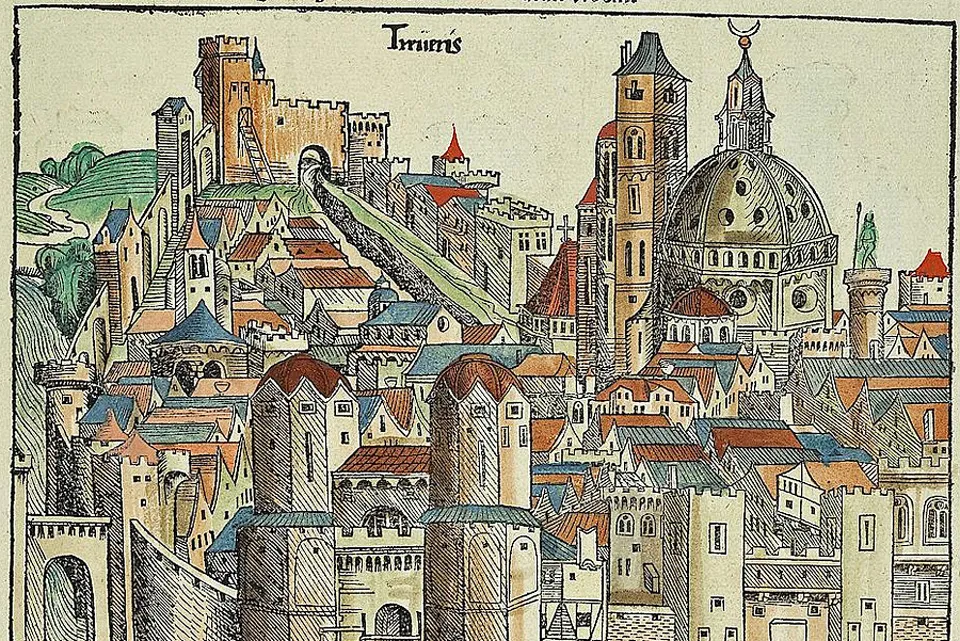
Lords and ladies, knights errant and damsels in distress. These images usually come to mind when we think of the European Middle Ages, set against a rural backdrop of fields, castles, and villages. However, medieval Europe was filled with new and dynamic cities. The Middle Ages tend to be associated with the rural struggle to survive after the collapse of the Roman Empire, but in fact, this period was a time of significant urban growth. The course begins with the great breakup and reconfiguration of urban life in the post-Roman world, with the early medieval populace huddled in the crumbling ruins of depopulated ancient cities. From there, we follow the urban revival of the Middle Ages from 1100-1400 to survey several elements of city life: novel urban political institutions, the growth of the commercial economy, building of great cathedrals, the rise of cathedral schools and universities as urban centers of intellectual life, and much more. Rather than studying the urban world alone, students will also examine how medieval cities were tied to the countryside and wider landscape through migration and economic exchange, political structures, and religious practices. Students will explore these and other key issues in medieval urban life through short lectures, readings from primary and secondary sources, and in-class discussion. Assignments will be based on course materials and consist of reading reflections, leading an in-class discussion, a short essay, and a final paper project. Prior knowledge of the subject matter or additional linguistic skills are not required, and this course welcomes students exploring these topics for the first time.
HISTORY 2101
Lecture: Tue/Thur | 11:30 AM - 12:50 PM
Instructor: Lee Morrison

Sophomore Seminar: Slavery & Memory in American Popular Culture
Sophomore Seminar: Slavery & Memory in American Popular Culture
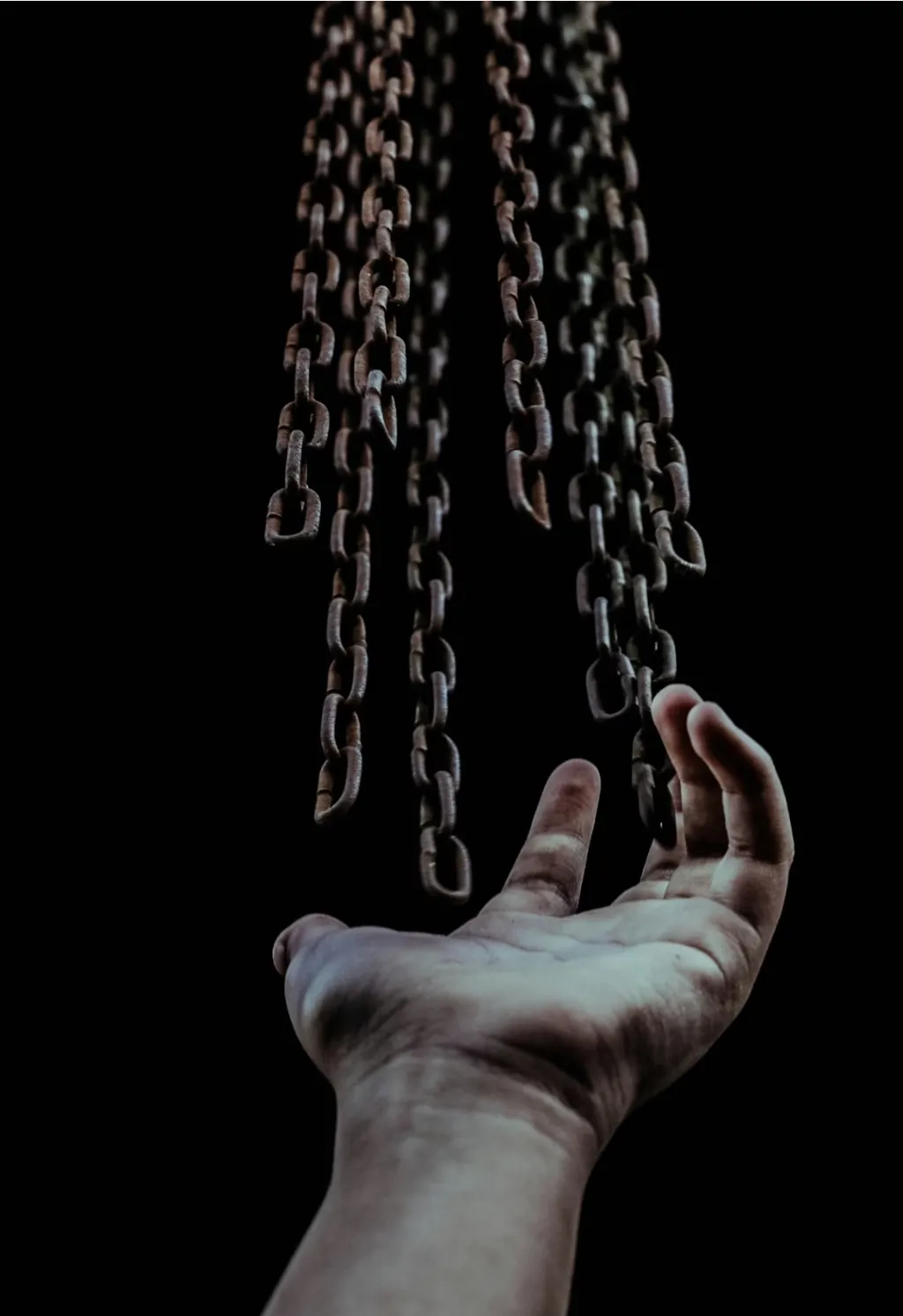
Sophomores receive priority registration. The history of slavery has long created a sense of unease within the consciousness of many Americans. Recognizing this continued reality, this seminar examines how slavery is both remembered and silenced within contemporary popular culture. Although slavery scholarship continues to expand, how do everyday Americans gain access to the history of bondage? Taking an interdisciplinary approach to these intriguing queries, we will examine a range of sources: literature, public history, art/poetry, visual culture, movies and documentaries, as well as contemporary music including reggae and hip hop. The centerpiece of this course covers North American society, however, in order to offer a critical point of contrast students will be challenged to explore the varied ways slavery is commemorated in others parts of the African Diaspora.
HISTORY 2124
Lecture: Tue/Thur | 11:30 AM - 12:50 PM
Instructor: Sowande' Mustakeem

Urban America

Urban America
The city is a crucial frame for understanding the nation's cultural, economic, social, political and ecological concerns. This course discusses its importance in shaping American society and consider urban environments as living, breathing, contracting and expanding regions in the landscape. Questions of race, class and gender will be explored in an attempt to understand the current configuration of American cities, and to allow students to engage meaningfully with the continual transformation of urban space. Attention will be paid to the role played by popular imagination in the formation of public policy, civic spatial arrangement, suburban development and urban historical geography.
HISTORY 2360
Lecture: Tue/Thur | 1:00 PM - 2:20 PM
Instructor: Douglas Flowe

Undergraduate Internship in History
Undergraduate Internship in History
Students receive credit for a faculty-directed and approved internship. Registration requires completion of the Learning Agreement which the student obtains from the Career Center and which must be filled out and signed by the Career Center and the faculty sponsor prior to beginning internship work. Credit should correspond to actual time spent in work activities, e.g., 8-10 hours a week for 13 or 14 weeks to receive 3 units of credit; 1 or 2 credits for fewer hours. Students may not receive credit for work done for pay but are encouraged to obtain written evaluations about such work for the student's academic adviser and career placement file.
HISTORY 2480
Lecture: Independent
Instructor:

Humors, Pox and Plague: Medieval and Early Modern Medicine
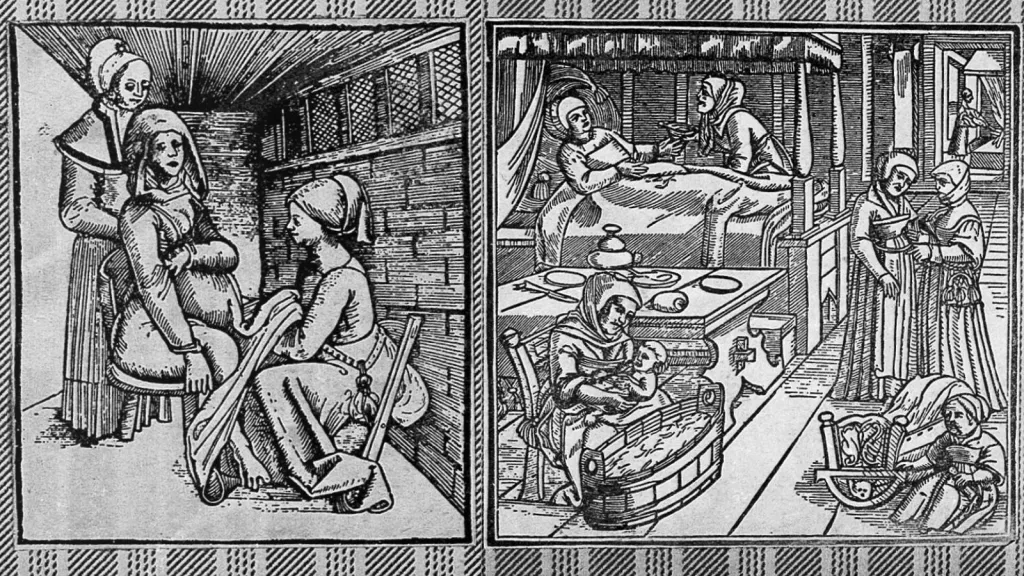
Humors, Pox and Plague: Medieval and Early Modern Medicine
This course examines how people thought about, experienced, and managed disease in the medieval and early modern periods. Students will consider developments in learned medicine alongside the activities of a diverse range of practitioners-e.g. surgeons, empirics, quacks, midwives, saints, and local healers-involved in the business of curing a wide range of ailments. Significant attention will be paid to the experiences of patients and the social and cultural significance of disease. Major topics include: the rise and fall of humoral medicine; religious explanations of illness; diseases such as leprosy, syphilis, and plague; the rise of anatomy; herbs and pharmaceuticals; the experience of childbirth; and the emergence of identifiably modern institutions such as hospitals, the medical profession, and public health. The focus will be on Western Europe but we'll also consider developments in the Islamic world and the Americas.
HISTORY 3017
Lecture: Tue/Thur | 10:00 AM - 11:20 AM
Instructor: Christina Ramos

Early Modern China
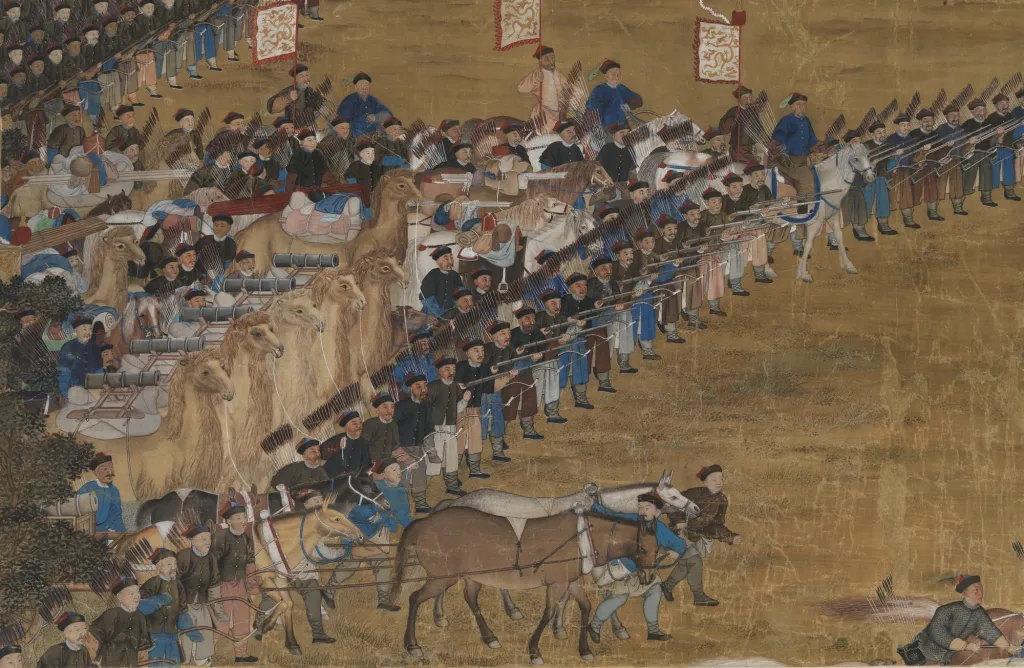
Early Modern China
This course examines political, socio-economic, and intellectual-cultural developments in Chinese society from the middle of the fourteenth century to 1800. This chronological focus largely corresponds to the last two imperial dynasties, the Ming (1368-1644) and Qing (1644-1911). Thematically, the course emphasizes such early modern indigenous developments as increasing commercialization, social mobility, and questioning of received cultural values.
HISTORY 3047
Lecture: Mon/Wed | 8:30 AM - 9:50 AM
Instructor: Steve B. Miles
The Living American Civil War
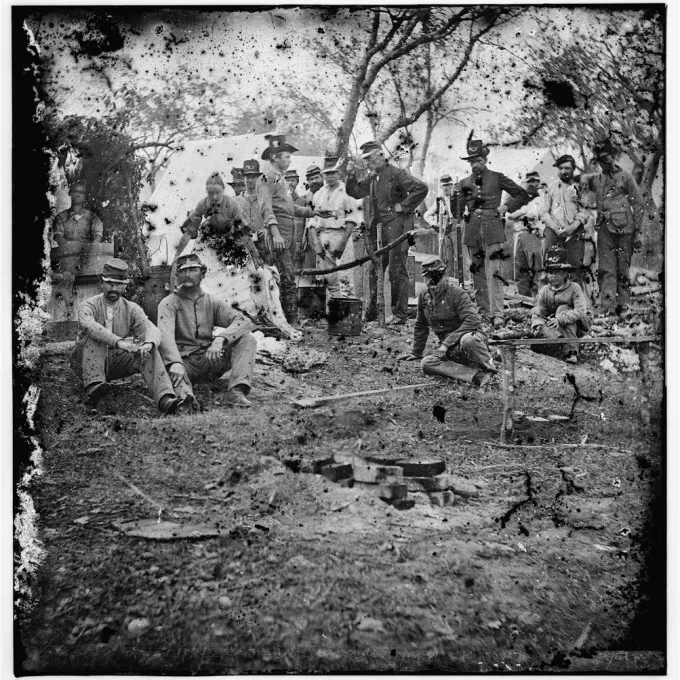
The Living American Civil War
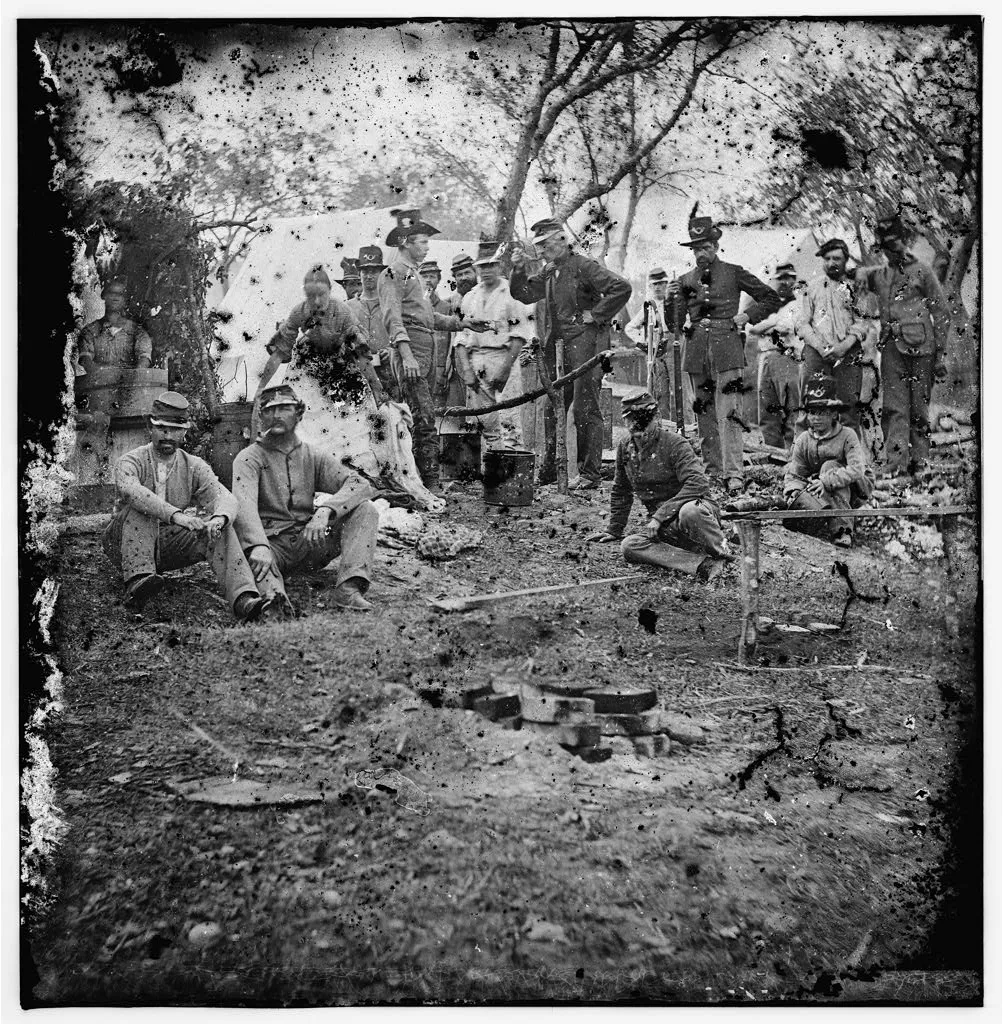
This course focuses on the Civil War and Reconstruction as the central drama of American life in the 19th century, and also, the central event of American history itself, to the present day. How do we begin to understand the significance of the killing fields of the American Civil War, its three quarters of a million dead? The bloody conflict, and its causes and consequences, are explored from multiple perspectives: those of individuals such as Lincoln, McClellan, Davis, Grant, Longstreet and Lee, Dix and Tubman, Douglas and Douglass, who made momentous choices of the era; of groups such as the African American freedpeople and the Radical Republicans, whose struggles for freedom and power helped shape the actions of individuals; and of the historians, novelists, filmmakers and social movements that have fought to define the war's legacy for modern America. How is the Civil War both long ended and, at the same time, very much alive and still contested in contemporary America? Modern, U.S.
HISTORY 3159
Lecture: Tue/Thur | 10:00 AM - 11:20 AM
Instructor: Iver Bernstein

Senior Honors Thesis and Colloquium: Writing-Intensive Seminar

Senior Honors Thesis and Colloquium: Writing-Intensive Seminar
Senior Honors Thesis and Colloquium: Writing-Intensive Seminar
Learn more about the Senior Honors Thesis and Colloquium - https://history.wustl.edu/honors-program
HISTORY 3224
Lecture: Thur | 4:00 PM - 6:50 PM
Instructor: Lori Watt

England Under The Tudors
England Under The Tudors
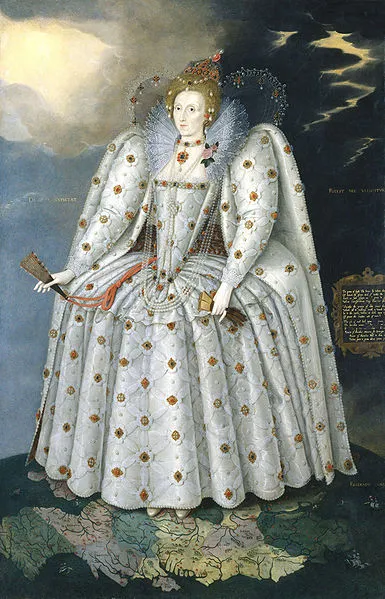
This is a course in the political, intellectual, and cultural history of late fifteenth and sixteenth century England. It analyses the late medieval collapse of social and political order during the Wars of the Roses and the assertion of new forms of political authority by the Tudor monarchs; discusses the nature and significance of protest and resistance (by the nobility, by parliament, and by peasants and plebeians); and investigates the impact of religious and cultural change (the humanism of the Renaissance, the new political theology of the Protestant Reformation, and the cultural revolution associated with ‘puritanism’). Throughout, the emphasis will be on the difficulties associated with dynastic continuity experienced by the ‘barren princes’ of the Tudor regime. Rather than offering a narrative of constitutional development, the course will characterize Tudor political culture through the eyes of contemporary observers in an age when all politicians were writers and all writers were politicians. By reading some of the most influential texts written by sixteenth-century polemicists, playwrights, and poets in their political context, students will be encouraged to think about literature itself as part of the historical process, and about composition as a political act.
HISTORY 3247
Lecture: Tue/Thur | 10:00 AM - 11:20 AM
Instructor: Steve Hindle
Modern South Asia
Modern South Asia
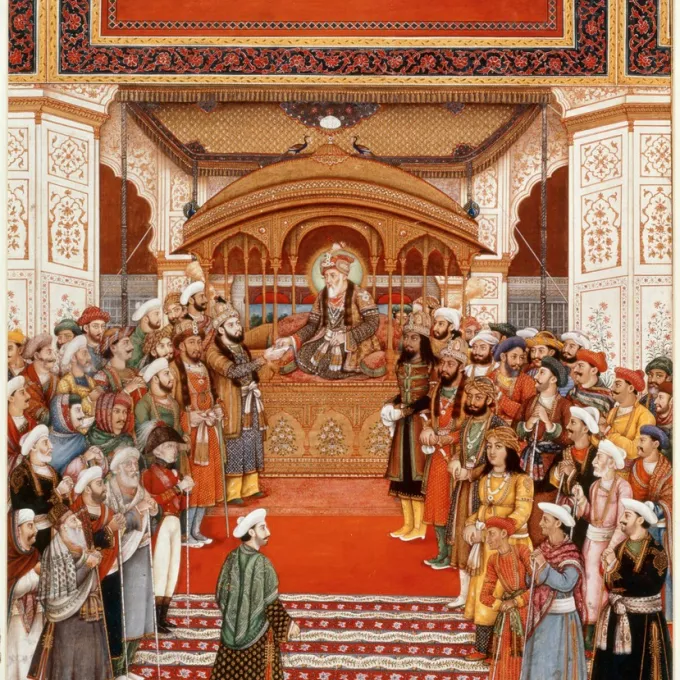
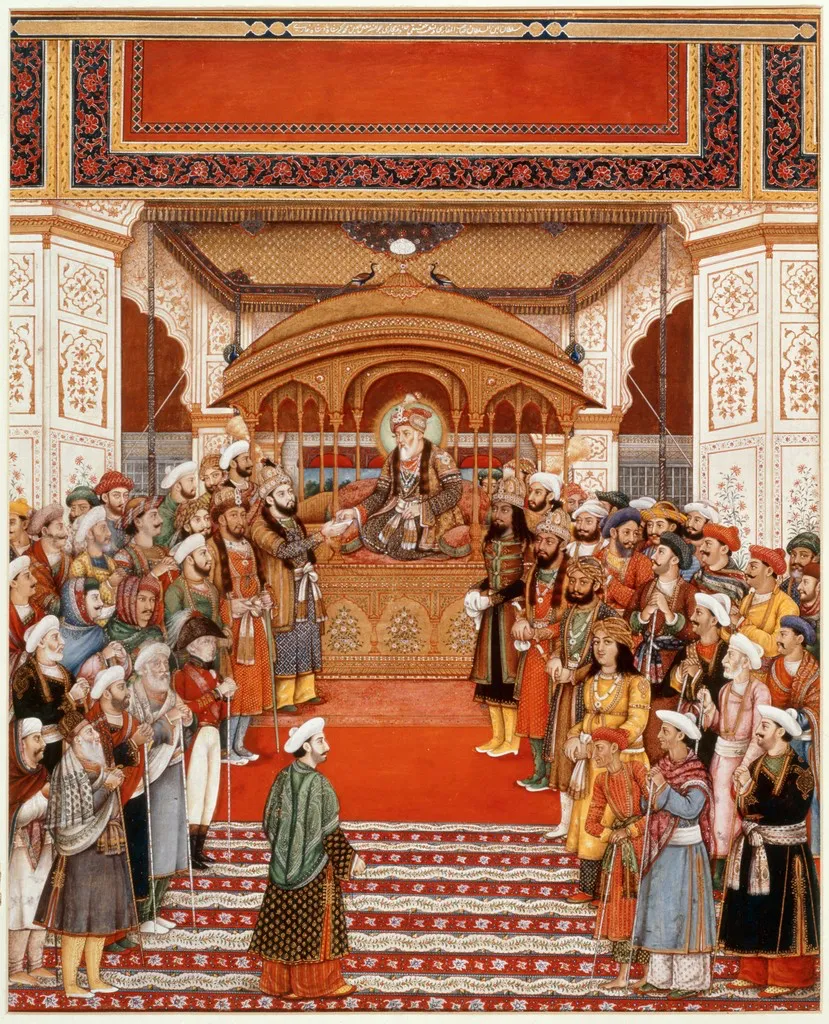
This course explores the history of the Indian subcontinent from the eighteenth century to the present. It tracks the major transitions in the political and cultural history of the subcontinent, while centering South Asia and South Asians in the global stories of modernity, from the rise of capitalism and the dawn of nationalism to the transfigurations of identity by new understandings of religion, race, caste, and language. Transitions include the twilight of the "Persianate Age" and the Mughal empire; the subordination of ruling powers in India to British Empire; Indians' struggle for political representation under colonial rule; the independence and partition of British India and the foundation of the nation-states of India and Pakistan. The course fosters bridges between past histories of colonialism and conquest, inequality and protest, and their contemporary manifestations in popular culture and politics.
HISTORY 3295
Lecture: Tue/Thur | 11:30 AM - 12:50 PM

Modern Mexico

Modern Mexico
This course explores the political, economic, social, and cultural forces that have shaped modern Mexico. We will look closely at moments of transformation: the rise of commercial capitalism, the upheaval of the Mexican Revolution, the efforts to build a new nation, the promises and challenges of Lázaro Cárdenas’s populism, the long rule of the official party, the rapid growth of cities and industry, the pressures of Cold War politics, the violence of the 1970s Dirty War, and the turn toward neoliberal policies.
HISTORY 3313
Lecture: Mon/Wed | 10:00 AM - 11:20 AM
Instructor: Diana J. Montaño

The Early Medieval World: 200-1000
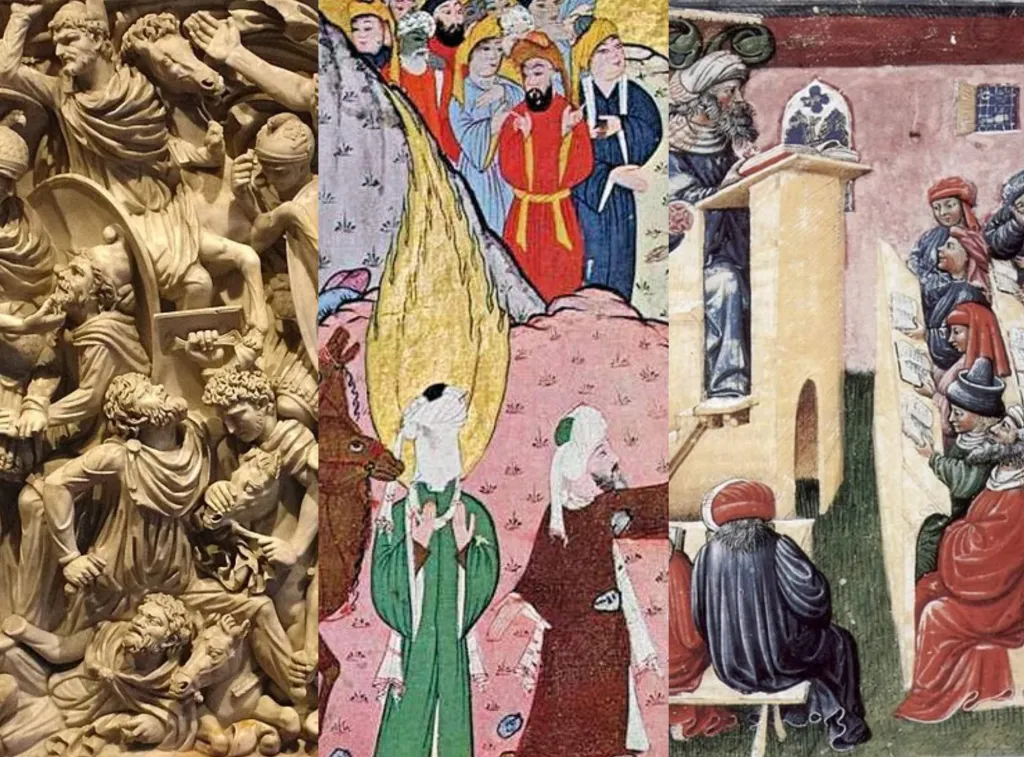
The Early Medieval World: 200-1000
This course begins with the crisis of the Roman Empire in the third century and the conversion of the Emperor Constantine to Christianity in 312. We will study the so-called barbarian invasions of the fourth and fifth centuries and the collapse of the Roman Empire in the West. The Roman Empire in the East (and commonly known as the Byzantine Empire after the seventh century) survived intact, developing a very different style of Christianity than in the lands of the former western empire. Apart from examining Christianization in the deserts of Egypt or the chilly North Sea, we will discuss the phenomenon of Islam in the seventh century (especially after the Prophet Muhammad's death in 632) and the Arab conquests of the eastern Mediterranean and north Africa. In the post-Roman world of the West we will read about the Anglo-Saxons, the Carolingians, and the Vikings. In exploring these topics we will have to think about the relationship of kings to popes, Emperors to patriarchs, of missionaries to pagans, of cities to villages, of the sacred to the profane. Our attention will be directed to things as various as different forms of monasticism, the establishment of frontier communities, the culture of the Arabian peninsula, magic, paganism, military tactics, Romanesque churches, sea travel, manuscript illumination, the architecture of mosques, early medieval philosophy, the changing imagery of Christ, holiness, and violence as a redemptive act.
HISTORY 3318
Lecture: Mon/Wed | 4:00 PM - 5:20 PM
Instructor: Mark G. Pegg
Introduction to Colonial Latin America Until 1825
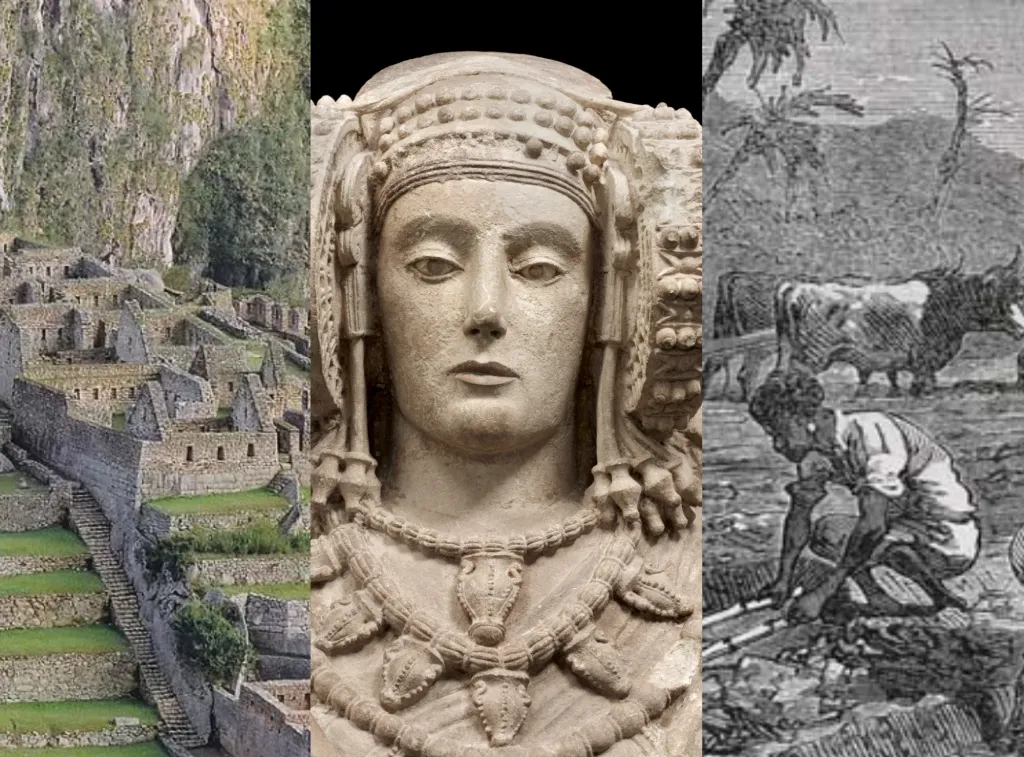
Introduction to Colonial Latin America Until 1825
This course surveys the history of Latin America from the pre-Columbian civilizations through the Iberian exploration and conquest of the Americas until the Wars of Independence (roughly 1400-1815). Stressing the experiences and cultural contributions of Americans, Europeans, and Africans, we consider the following topics through primary written documents, first-hand accounts, and excellent secondary scholarship, as well as through art, music, and architecture: Aztec, Maya, Inca, and Iberian civilizations; models of conquest in comparative perspective (Spanish, Portuguese, and Amerindian); environmental histories; consolidation of colonialism in labor, tributary, and judicial systems; race, ethnicity, slavery, caste, and class; religion and the Catholic Church and Inquisition; sugar and mining industries, trade, and global economies; urban and rural life; the roles of women, gender, and sexuality in the colonies. Geographically, we will cover Mexico, the Andes, and to a lesser extent, Brazil, the Southwest, Cuba, and the Southern Cone. Pre-modern, Latin America.
HISTORY 3323
Lecture: Tue/Thur | 1:00 PM - 2:20 PM
Instructor: Christina Ramos
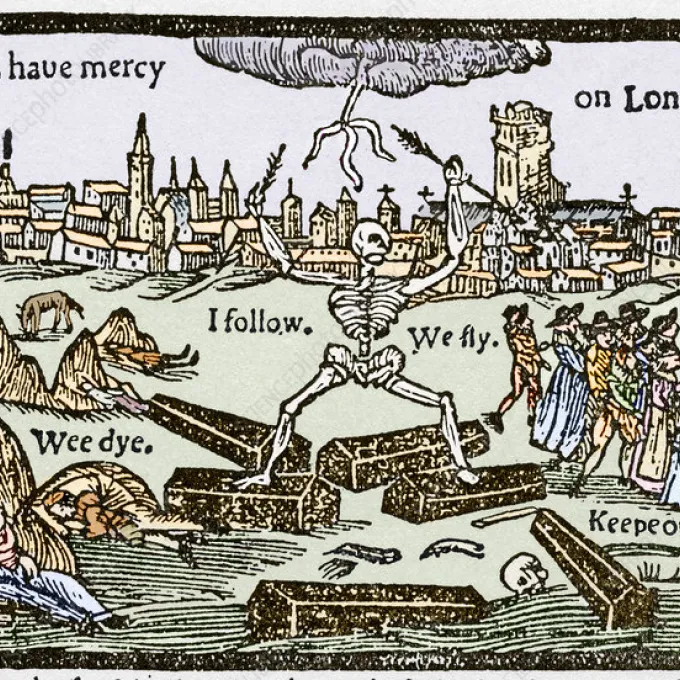
Historical Methods Seminar – The Black Death and the Plague in Europe (Premodern European History)
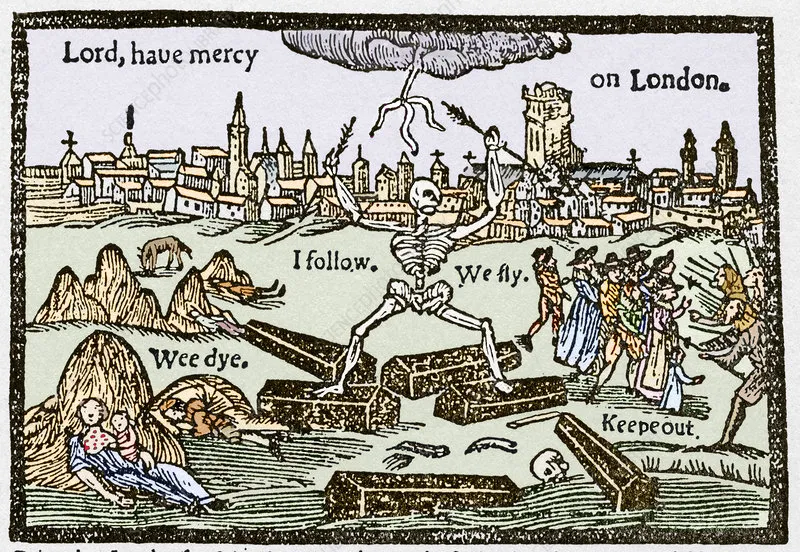
Historical Methods – The Black Death and the Plague in Europe (Premodern European History)
This is a small-group reading course in which students are introduced to the skills essential to the historian's craft. Emphasis will be on acquiring research skills, learning to read historical works critically, and learning to use primary and secondary sources to make a persuasive and original argument. See Course Listings for current topics. Required for history majors. Preference given to History majors; other interested students welcome.
HISTORY 3376
Lecture: Mon/Wed | 4:00 PM - 5:20 PM
Instructor: Christine Johnson
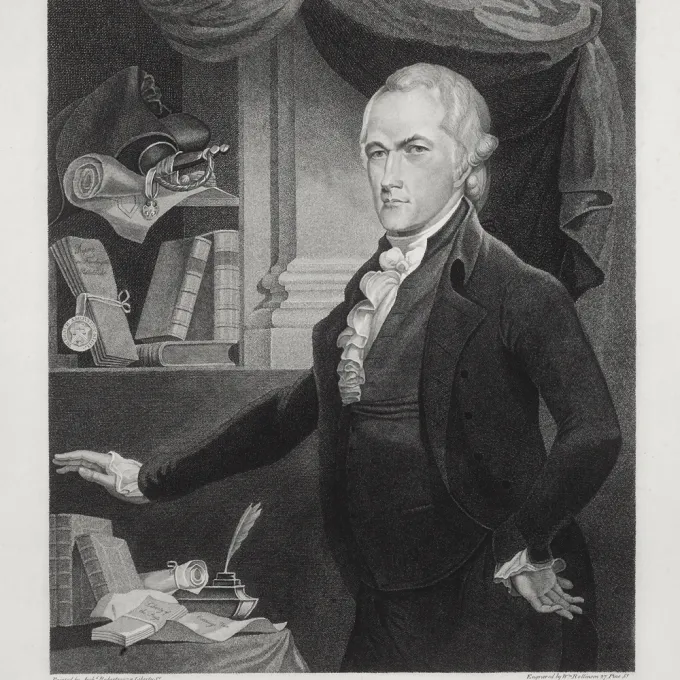
Historical Methods – Hamilton's America (Premodern United States History)
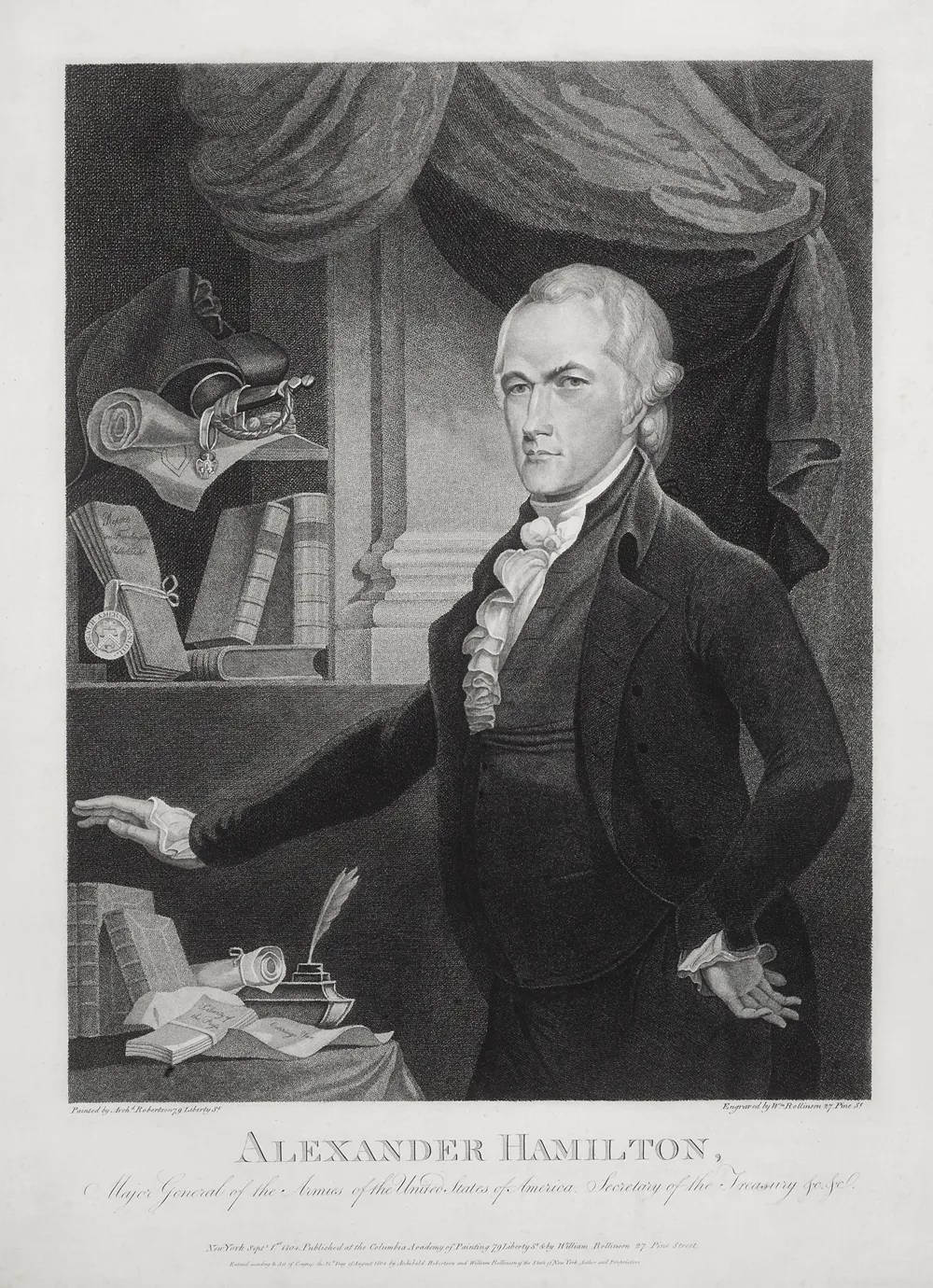
Historical Methods – Hamilton's America (Premodern United States History)
Hamilton's America: How to do the History of Politics and Government
The popularity of the musical Hamilton has fueled a renewed interest in the politics of the early American republic. This seminar explores that world by examining how Americans sought to translate their notions of government into a realistic set of priorities and a functioning set of public institutions during the years following ratification of the Constitution. In the process, this course also considers the methods that historians can use to analyze politics, policymaking, and governance. This course uses the life and career of Alexander Hamilton as a point of departure for investing how the federal government came into being, what it did, and who populated the civilian and military rank of American officialdom. The course will examine the various methodologies that historians can use to address these topics. We will consider the relative merits and limits of both qualitative and quantitative methods. This course will also devote considerable attention to the methods of digital history that have emerged in recent years, both as a means of analyzing and representing historical material. This course does not require any prior knowledge of early American history or digital methods
HISTORY 3382
Lecture: Mon/Wed | 4:00 PM - 5:20 PM
Instructor: Peter Kastor
This is a small-group reading course in which students are introduced to the skills essential to the historian's craft. Emphasis will be on acquiring research skills, learning to read historical works critically, and learning to use primary and secondary sources to make a persuasive and original argument. Required for history majors. Preference given to History majors; other interested students welcome.
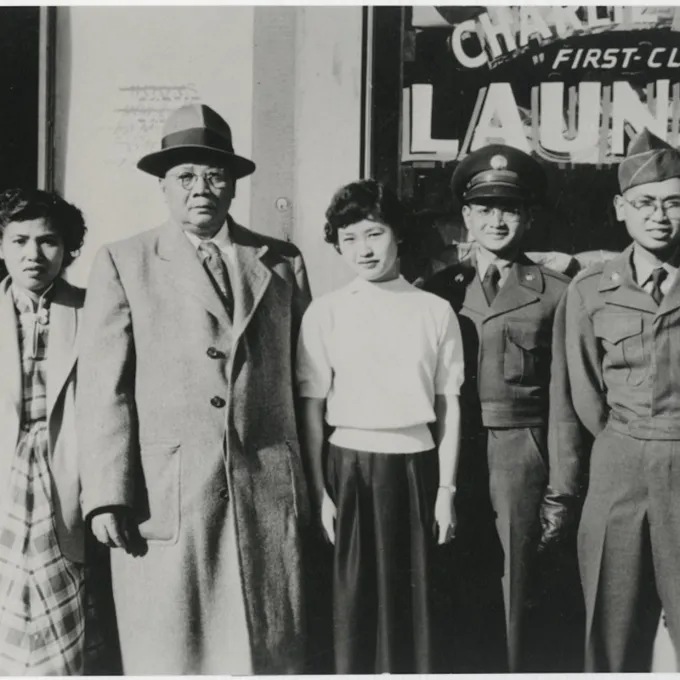
Historical Methods – Asia in St. Louis (Modern Transregional History)
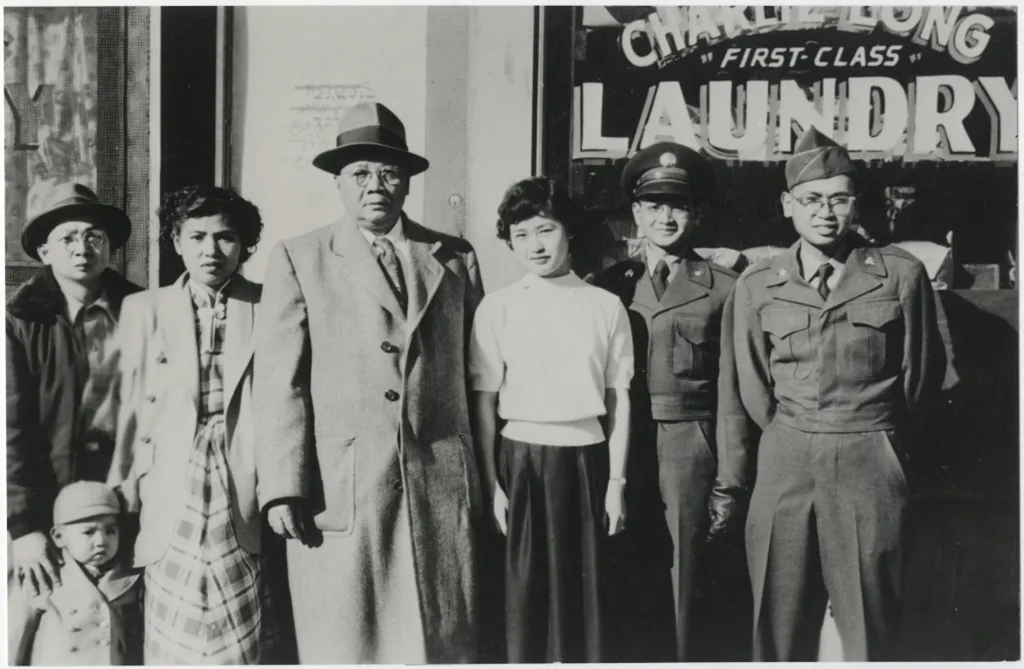
Historical Methods – Asia in St. Louis (Modern Transregional History)
This is a small-group reading course in which students are introduced to the skills essential to the historian's craft. Emphasis will be on acquiring research skills, learning to read historical works critically, and learning to use primary and secondary sources to make a persuasive and original argument. Required for history majors. Preference given to History majors; other interested students welcome. Topic will vary each term within Modern Transregional History.
HISTORY 3385
Lecture: Mon/Wed | 10:00 AM - 11:20 AM
Instructor: Uluğ Kuzuoğlu
The Creation of Capitalism
The Creation of Capitalism
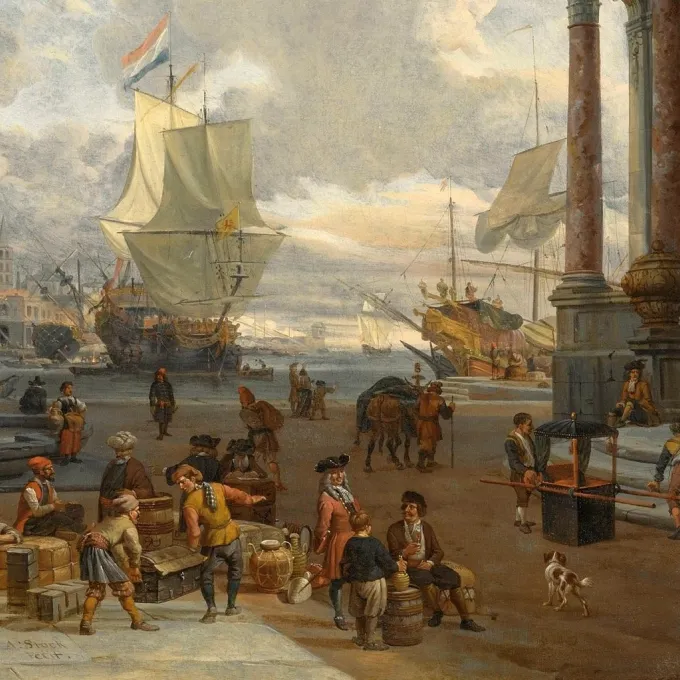
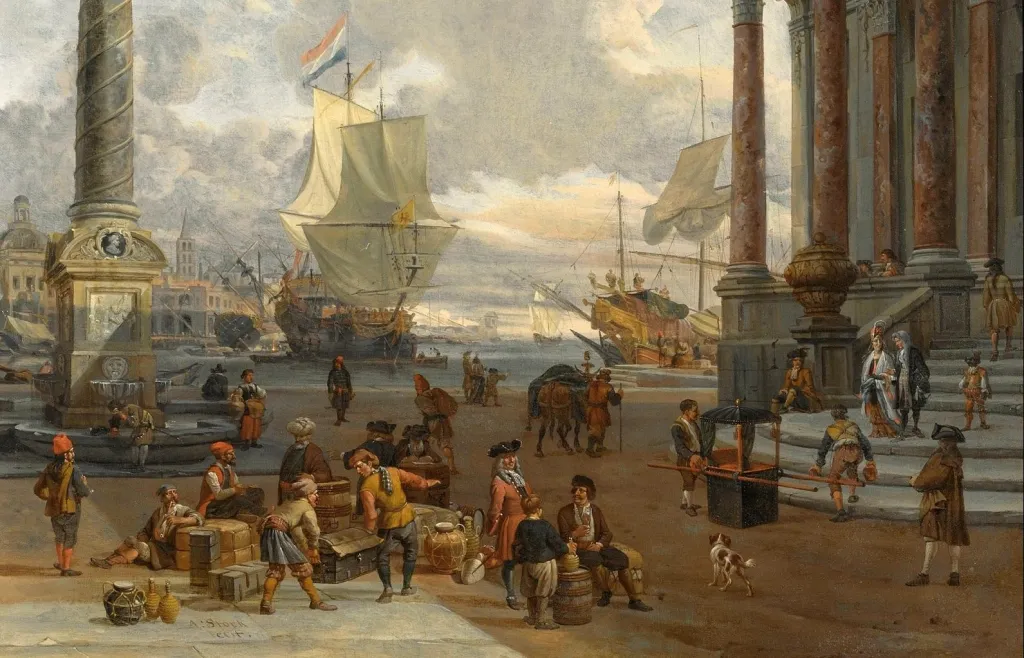
Capitalism is now the dominant form of economic organization around the world. This course traces the rise of capitalism from its beginnings in late medieval Europe, through its development in the global trade connecting Europe to Africa, Asia, and the Americas, to its formative role in the Industrial Revolution of the early nineteenth century. How and why did capitalism emerge and expand to a position of such importance? Who profited from it and who resisted it? And how did numerous elites become convinced that capitalism was necessary and moral? Students will engage these questions through lectures and class discussions based on primary source readings such as merchant letters, economic legislation, and Adam Smith's The Wealth of Nations, as well as key works of historical scholarship on topics such as piracy, the Dutch tulipmania, and the Atlantic plantation economy. Assignments include weekly readings, short response assignments, open-note exams, and researching and developing a time-appropriate business plan.
HISTORY 3404
Lecture: Mon/Wed | 11:30 AM - 12:50 PM
Instructor: Christine Johnson

Artificial Intelligence: The Mind and the Machine

Artificial Intelligence: The Mind and the Machine
At once bewildered and terrified, here we enter the age of artificial intelligence (AI). Can this new technology be the solution to all problems plaguing our societies? Or will it be the Pandora's Box? As heated discussions around AI take place around the world, this course will examine the deeper history of mechanizing the human mind. Students will explore the first attempts to build calculating machines, the origins of the information age that started much earlier than the invention of computers, the cybernetic revolution that transformed the meaning of the human, and the politics that drove the desire to invent the first artificial intelligence. We will collectively ponder the past of AI to see what the future holds.
HISTORY 3614
Lecture: Tue/Thur | 10:00 AM - 11:20 AM
Instructor: Uluğ Kuzuoğlu
The Cold War, 1945-1991
The Cold War, 1945-1991
This course presents an assessment of the Cold War from the perspective of its major participants. Topics include: the origins of the Cold War in Europe and Asia; the Korean War; the Stalin regime; McCarthyism and the Red Scare; the nuclear arms race; the conflict over Berlin; Cold War film and literature; superpower rivalry in Guatemala, Cuba, Vietnam, Africa, and the Middle East; the rise and fall of detente; the Reagan years and the impact of Gorbechev; the East European Revolutions; and the end of the Cold War.
HISTORY 3682-01 / 3682-02
Lecture: Tue/Thur | 1:00 PM - 2:20 PM / 2:30 PM - 3:50pm
Instructor: Krister Knapp

Secular & Religious: A Global History
Secular & Religious: A Global History
Is religious freedom a vital safeguard for minority rights, or a cover for Western imperialism or Christian conversion? Is secularism a recipe for harmonious pluralism, or for alienation? Debates over "secular and religious" have been central to politics and personal identities in the modern period across much of the world, but they do not look the same everywhere: they reflect very different, if entangled, histories. This course gathers historical scholarship on Europe and Asia in pursuit of a truly global understanding. We will examine how the secular-religious opposition was deployed between the eighteenth and twentieth centuries -- in service of imperialism, gendered inequality, capitalism, and nationalism. And we will consider efforts to contest or subvert the secular-religious framework in the name of spirituality, culture, or mythology. Countries covered will vary, but may include Britain, France, Turkey, China, Japan, India and Pakistan, among others.
HISTORY 3922
Lecture: Tue/Thur | 2:30 PM / 3:50 PM

Medieval Christianity

Medieval Christianity
This course surveys the historical development of Christian doctrine, ecclesiastical organization, and religious practice between the 5th century and the 15th, with an emphasis on the interaction of religion, culture, politics, and society. Topics covered include: the Christianization of Europe; monasticism; the liturgy; sacramental theology and practice; the Gregorian reform; religious architecture; the mendicant orders and the attack on heresy; lay devotions; the papal monarchy; schism and conciliarism; and the reform movements of the 15th century.
HISTORY 3931
Lecture: Tue/Thur | 1:00 PM -2:20 PM
Instructor: Daniel Bornstein
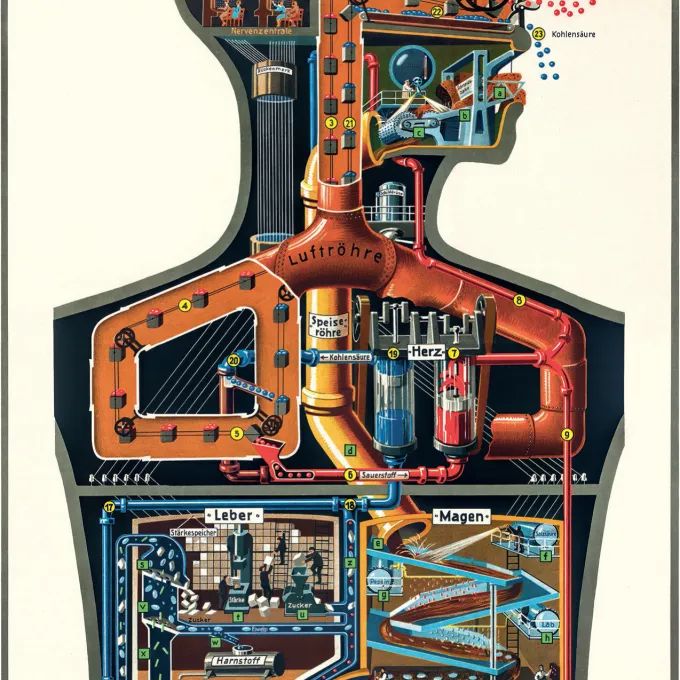
Advanced Seminar: History of the Body
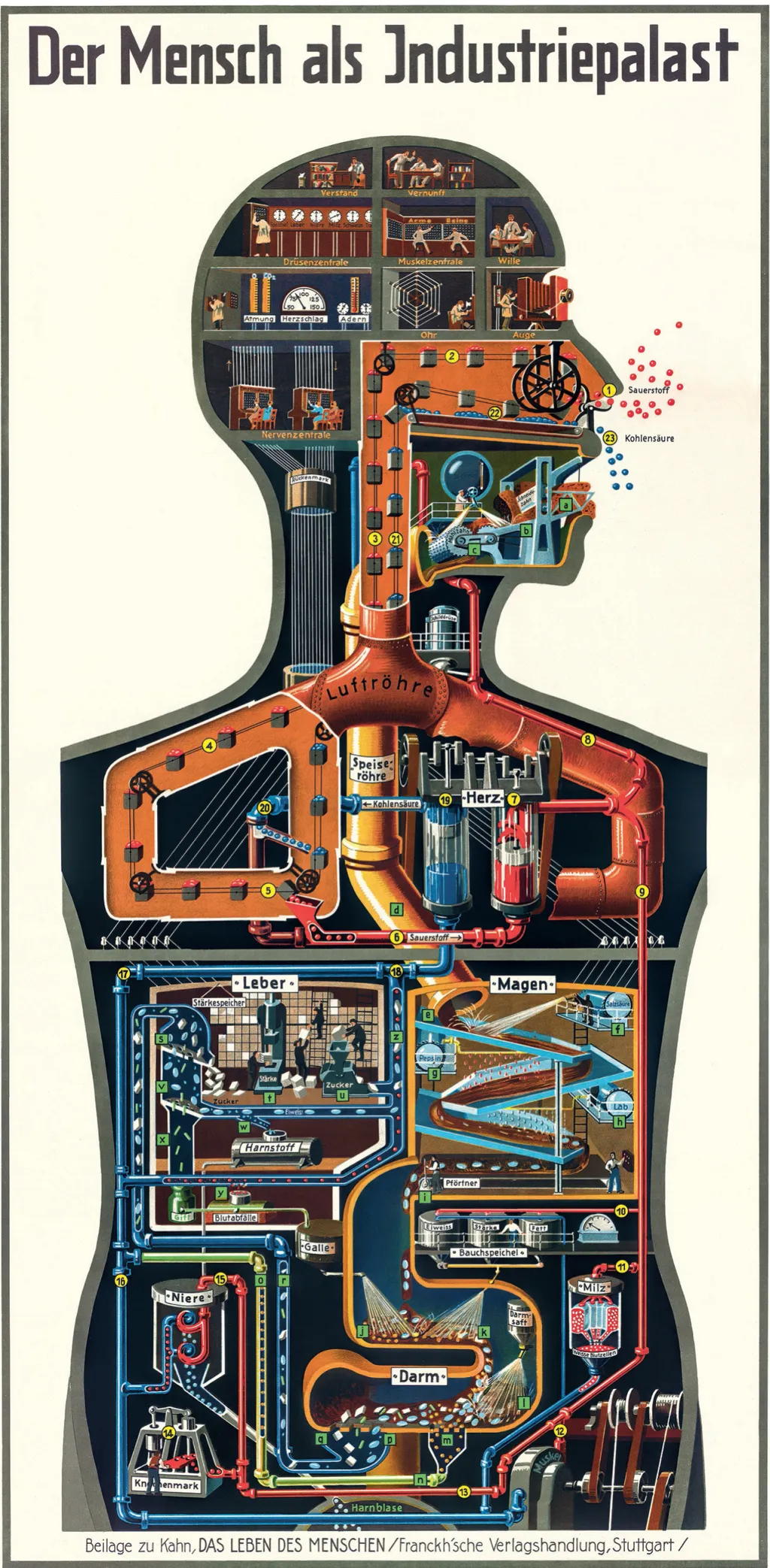
Advanced Seminar: History of the Body
Do bodies have a history? Recent research suggests that they do. Historians have tapped a wide variety of sources - including vital statistics, paintings and photographs, hospital records, and sex manuals - to reconstruct changes in how humans have conceptualized and experienced their own bodies. We will pay particular attention to the intersection of European cultural history and history of medicine since 1500. This course fulfills the History major capstone requirement as an Advanced Seminar.
HISTORY 4889
Lecture: Mon | 3:00 PM - 5:50 PM
Instructor: Corinna Treitel
*** An Independent Research Course is available: 4137-01 Independent Research for Capstone. (This course is to be taken in addition to any Advanced Seminar for which a student registers. Course is 1 unit.)

Advanced Seminar: New York, New York: The Empire City From Stuyvesant to Trump

Advanced Seminar: New York, New York: The Empire City From Stuyvesant to Trump
This research seminar engages the long history of greater New York City: from the place Native Americans called Manna-hata to the largest city in the United States and the world political, financial, and cultural capital that it is today. The course explores New York City's ambivalent relationship with America, with the world, and with itself. It focuses on matters of power - how, in different moments of the city's history, it was defined, who held it, and how various groups managed to contest for it; matters of exchange and extraction - political, cultural, and economic; and matters of belonging - whether a city of immigrants, exiles and refugees succeeded in becoming a home for the homeless. It pays close attention to both the micro - the street corner and the political ward; the bridge and the tunnel; the gentrifying neighborhood; the mosaic of the city's foodways; the theater, financial, slaughterhouse, brothel, and other districts - and the macro - the banks and the stock exchange; the port and transit authorities; the instrumentalities of knowledge and cultural production in the city's universities, print media, clubs, and salons; the sports empires; and the political machines, organized crime, grassroots labor and political movements, insurgencies, and undergrounds. Above all, the course will foreground the city's massive and unbearable contradictions, as a city of skyscrapers and of basement dives, lures, and snares; as a symbol of the future and freedom bound to traumatic, slave, and unfree pasts; as a symbol of modern independence bound to modern interdependence; and as a place of renaissances and ruinations, where the world either comes together or spectacularly falls apart. Sites of potential investigation, in a list that is suggestive rather than exhaustive, range from the African Burial Ground to the 9/11 Memorial and Museum, from Hamilton to Hamilton, from Boss Tweed to Robert Moses, from the Five Points to Chinatown, from Delmonico's to Sylvia's, from Blackwell's Island Lunatic Asylum to Hart Island Potter's Field, from the African Free School to Ocean Hill-Brownsville, from Marcus Garvey to Amadou Diallo, from Billie Holiday to Andy Warhol, from James Baldwin's Harlem to Stonewall, from George Steinbrenner to Jerry Seinfeld, from the Gowanus Canal to Estée Lauder, and, in the spirit of the course title, from Stuyvesant to Trump. Students will engage with the history of New York City via two three-page book reviews, a three-page site analysis, and two five-minute oral reports on assigned readings before conducting their own original research in consultation with the instructor that will culminate in a 15-page final essay. Attendance at all classes and participation in class discussions required. This course fulfills the history major capstone requirement as an Advanced Seminar.
HISTORY 4815
Lecture: Mon | 3:00 PM - 5:50 PM
Instructor: Iver Bernstein
*** An Independent Research Course is available: 4137-02 Independent Research for Capstone. (This course is to be taken in addition to any Advanced Seminar for which a student registers. Course is 1 unit.)

Colonial Cities and the Making of Modernity

Colonial Cities and the Making of Modernity
Massive urban growth has been a central result of the incorporation of many areas--both central and peripheral--into the global economy in the 19th and 20th centuries. Scholars have long theorized urbanization as a key component of modernity, but they have usually done so by looking at urbanization and modernization from the perspective of the West. This course will investigate the character of cities in the colony and then use these empirical and analytical entry points to examine critically some theories of modernity. The geographical focus of the course will be primarily on cities in the Middle East, North Africa, and South Asia.
HISTORY 4871
Lecture: Tue/Thur | 4:00 PM - 5:20 PM
Instructor: Nancy Reynolds